Directory
All Links Courses
84 courses found · Filters applied

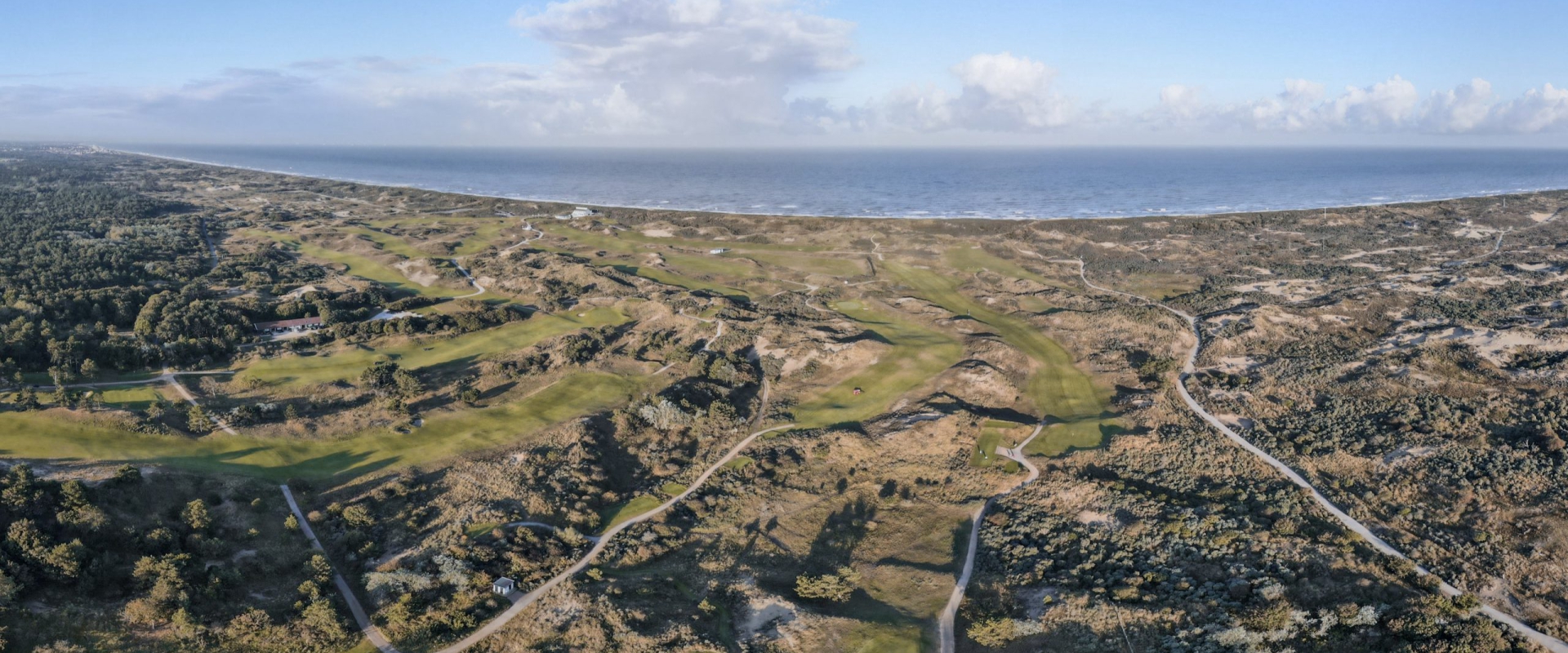
Royal County Down
Widely regarded as the world's greatest links, set against the stunning backdrop of the Mountains of Mourne.
Architect: Old Tom Morris· Est. 1889

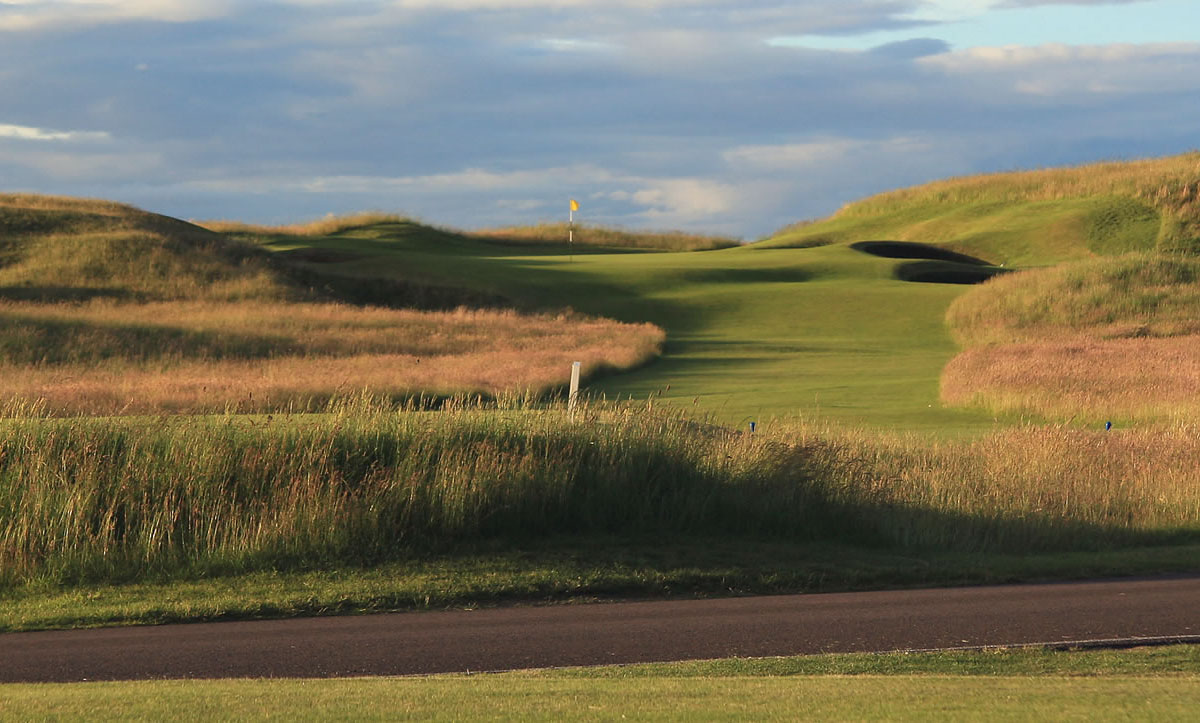
Muirfield
Perhaps the most perfectly designed links in the world — a supreme examination of shot-making and strategy.
Architect: Old Tom Morris· Est. 1744
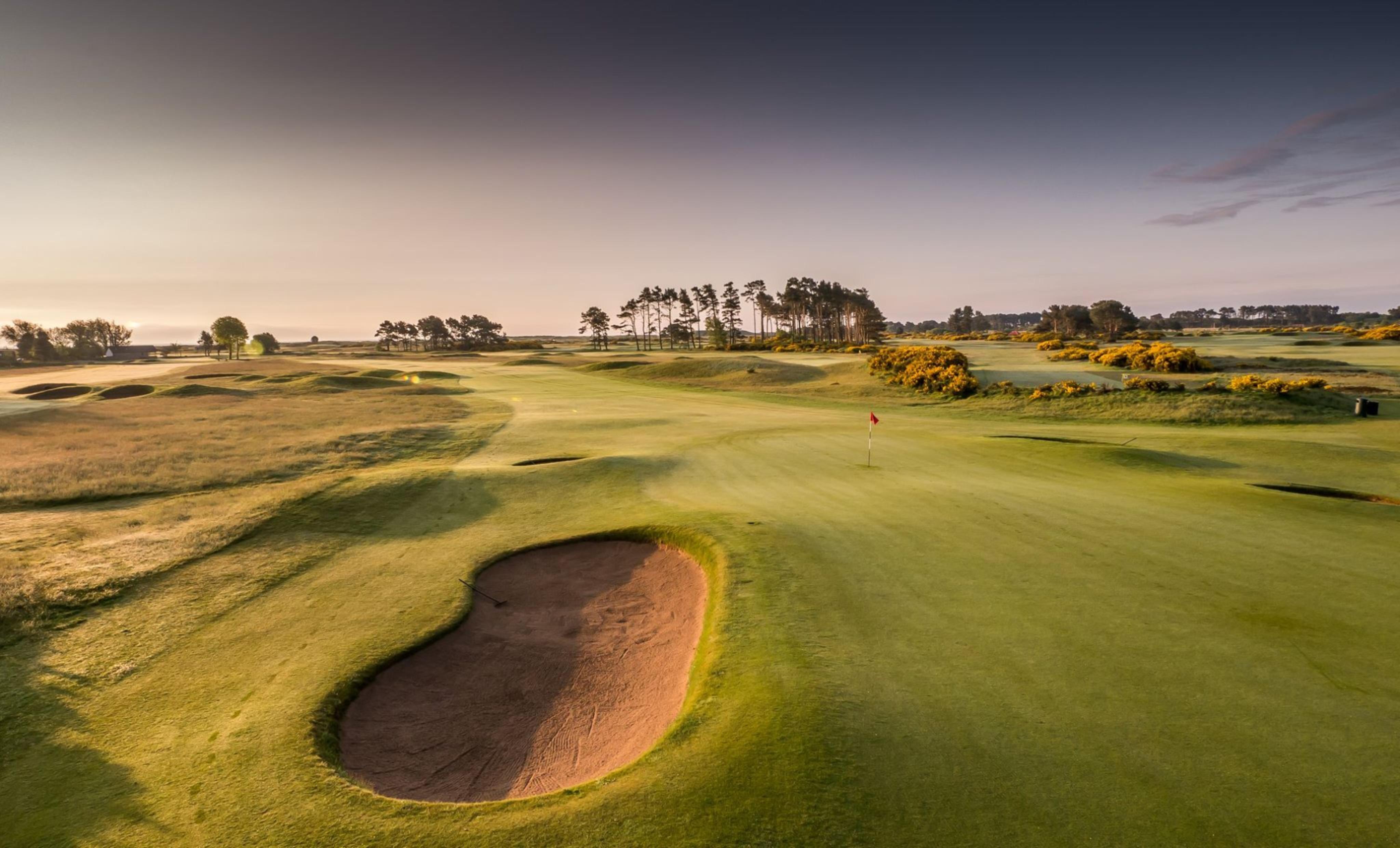
Carnoustie
The toughest links test in the world — Carnoustie demands everything you have, then asks for more.
Architect: Allan Robertson· Est. 1842
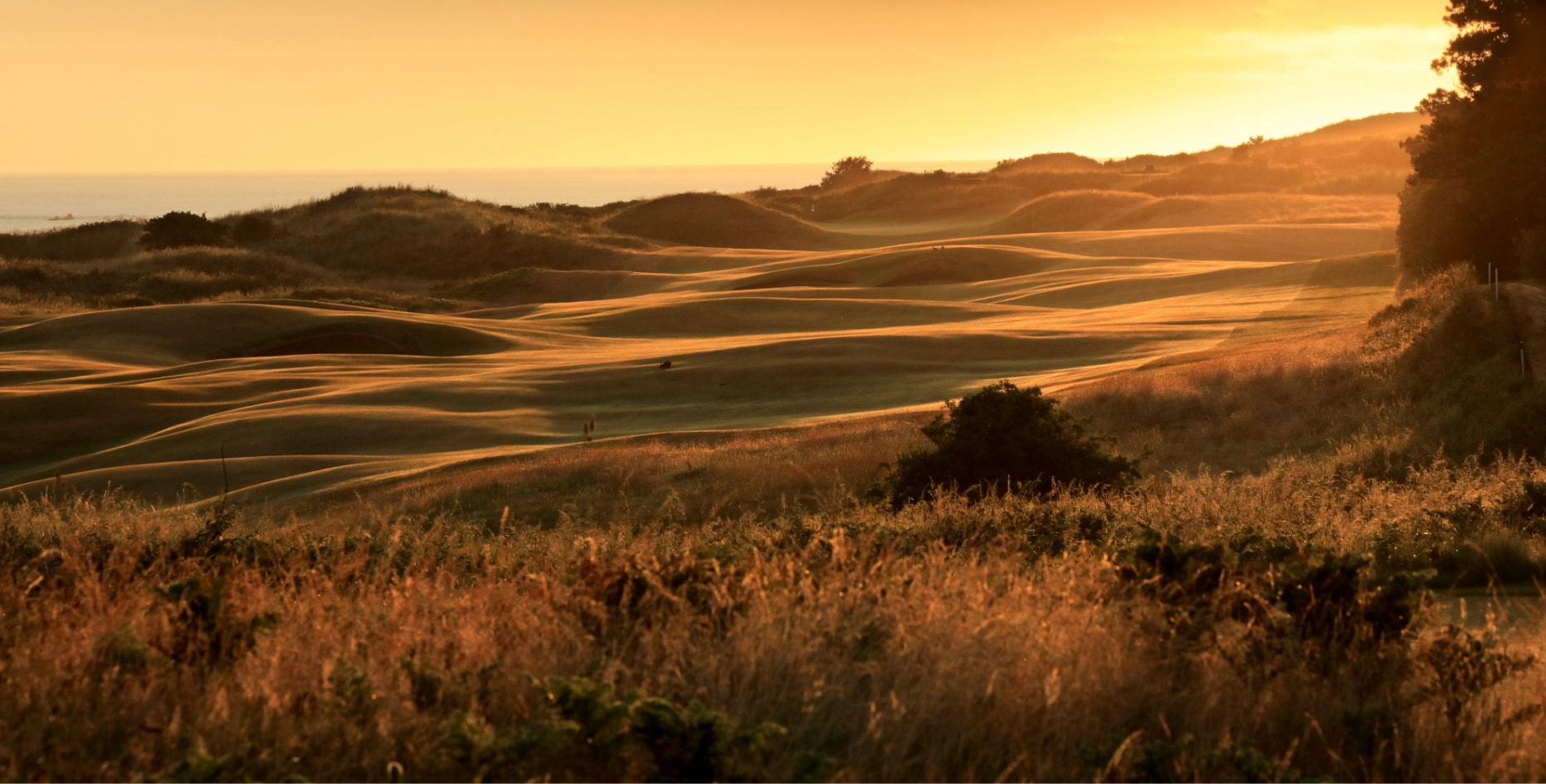
Royal Portrush
Set along the dramatic Antrim coastline near the Giant's Causeway, a true gem of Irish links golf.
Architect: H.S. Colt· Est. 1929

Ballybunion Old
Tom Watson's favourite course in the world — wild, rugged, and magnificent along the Kerry cliffs.
Architect: Patrick Murphy· Est. 1893

Kingsbarns
A modern masterpiece of links design opened in 2000, seamlessly blending with the ancient Fife coastline.
Architect: Kyle Phillips· Est. 2000
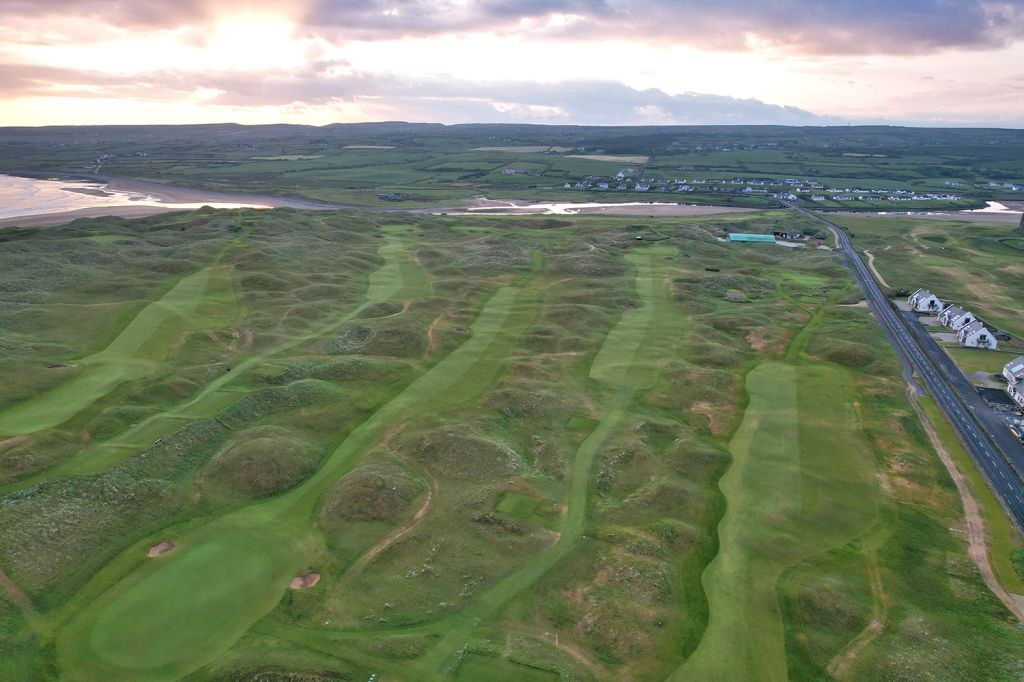
Lahinch
The 'St Andrews of Ireland' — a wild and wonderful links on Liscannor Bay with a joyful, historic character.
Architect: Old Tom Morris· Est. 1892
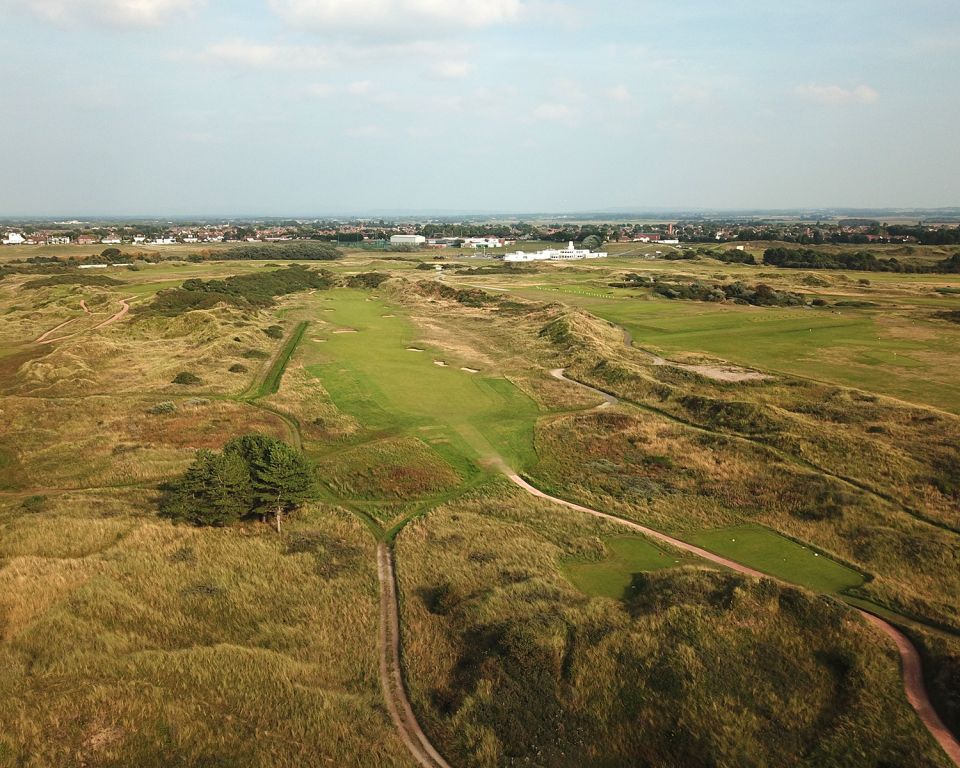
Royal Birkdale
England's finest links — a supreme Open Championship venue amid towering dunes on the Lancashire coast.
Architect: George Lowe· Est. 1889
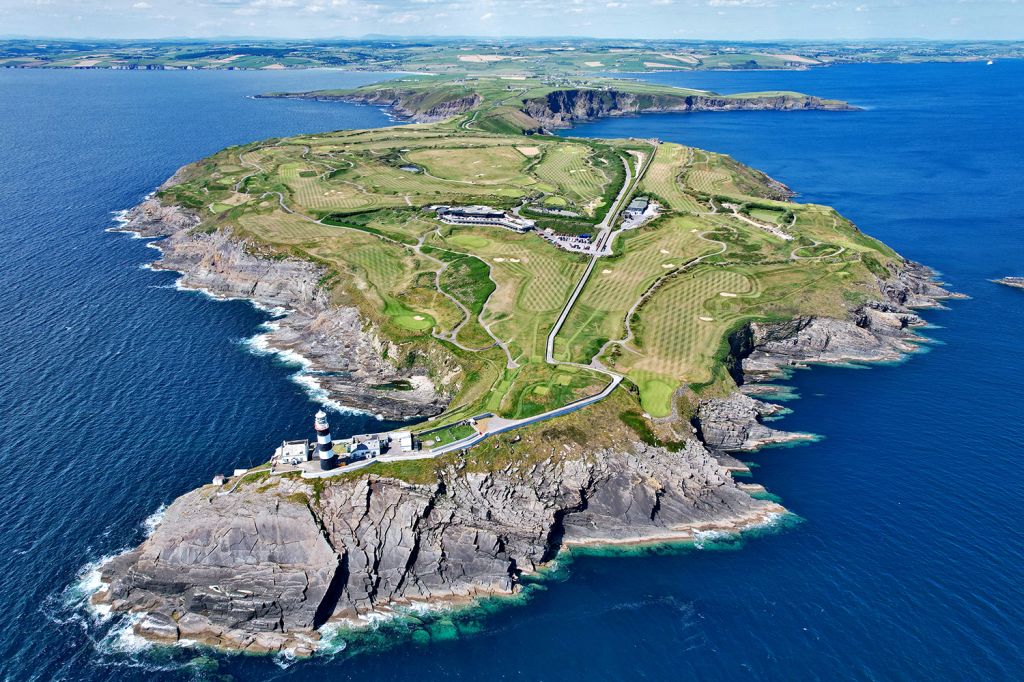
Old Head of Kinsale
The most spectacular setting in golf — 220 acres on a dramatic headland 100 metres above the Atlantic Ocean.
Architect: Ron Kirby· Est. 1997
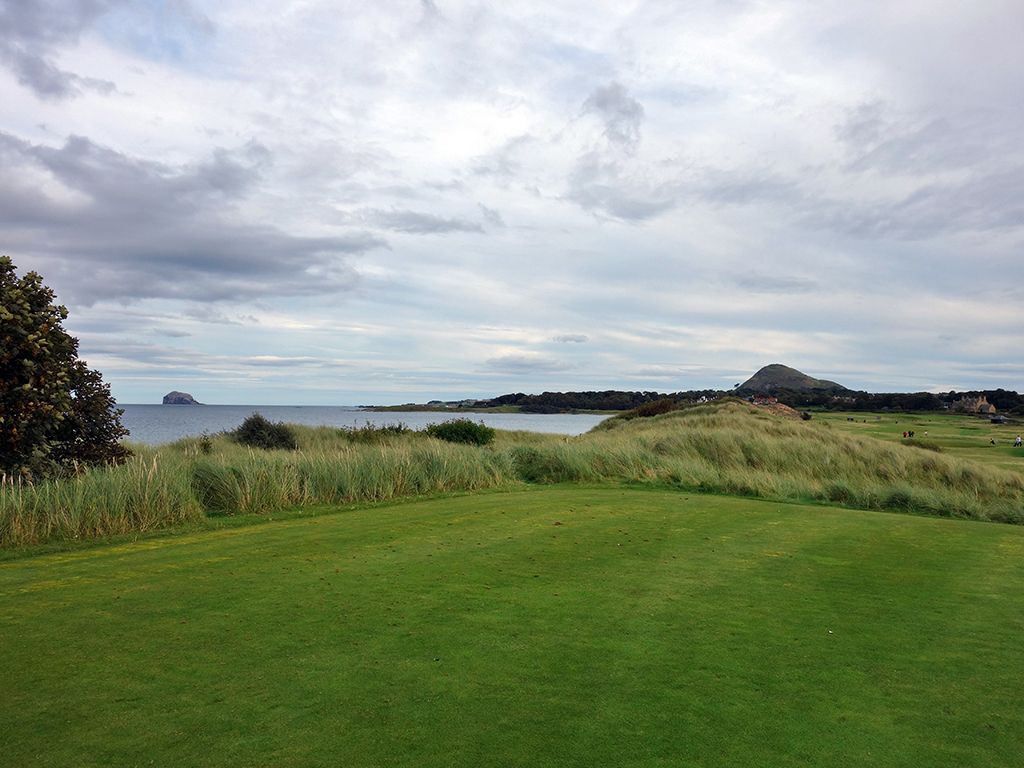
North Berwick
Golf's most beloved eccentricity — the original template for every great links hole, with Fidra Island as backdrop.
Architect: David Strath· Est. 1832

Cruden Bay
A hidden gem on the Aberdeenshire coast — wild, eccentric, and utterly magnificent in every way.
Architect: Tom Simpson· Est. 1926

Royal St George's
The site of the first Open Championship outside Scotland, a true test of traditional links golf in Kent.
Architect: Laidlaw Purves· Est. 1887
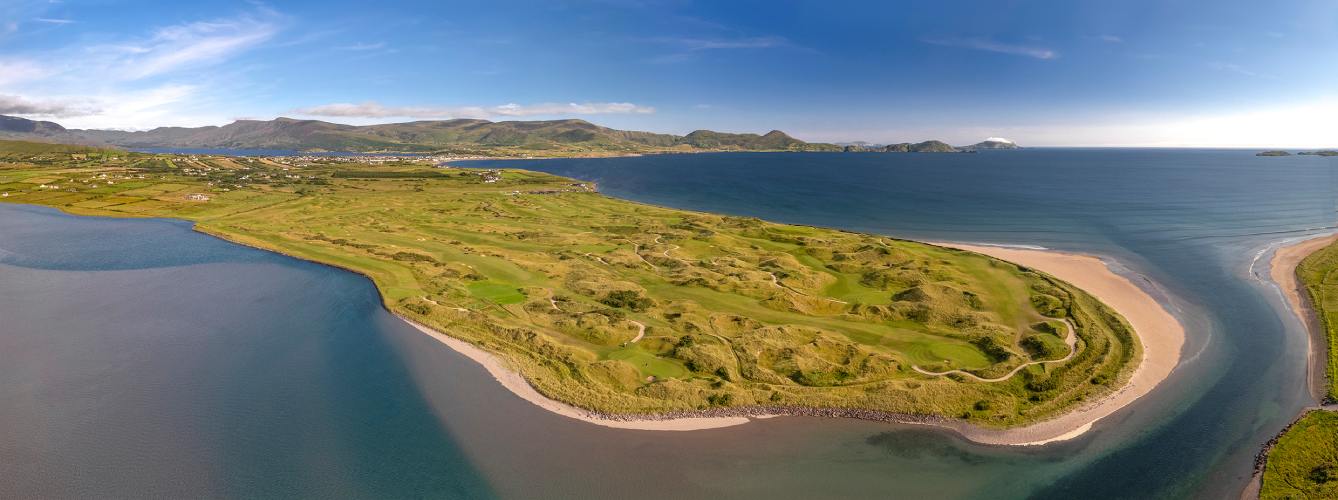
Waterville
One of Ireland's most spectacular and underrated links, set on the wild Kerry coastline amid breathtaking scenery.
Architect: Eddie Hackett· Est. 1889
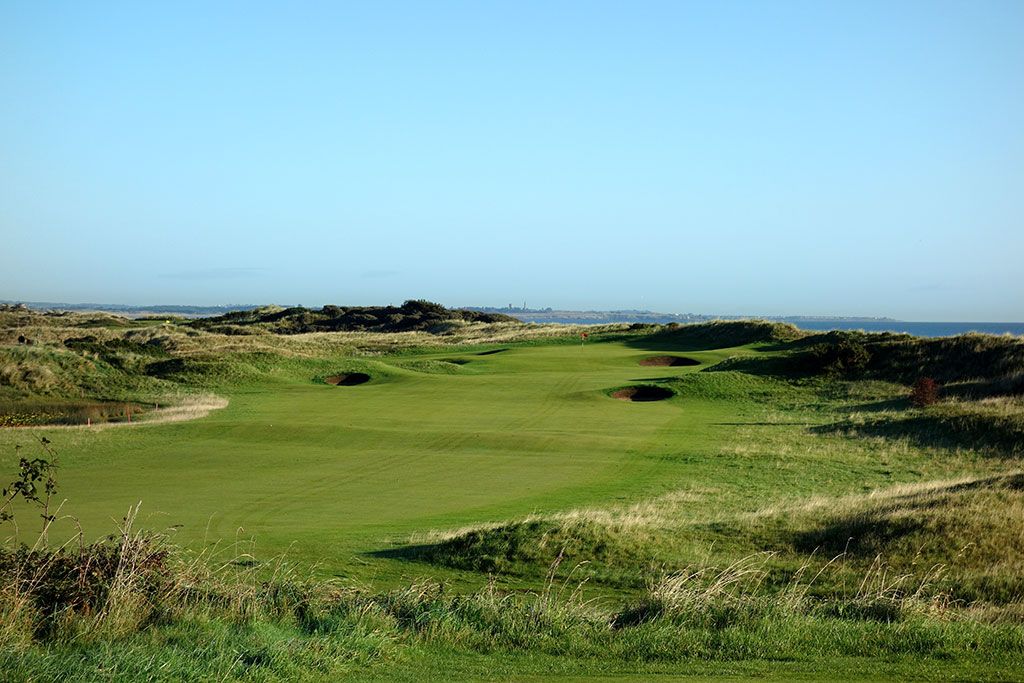
Portmarnock
Ireland's most prestigious golf club, set on a peninsula between the Irish Sea and an estuary north of Dublin.
Architect: W.C. Pickeman· Est. 1894
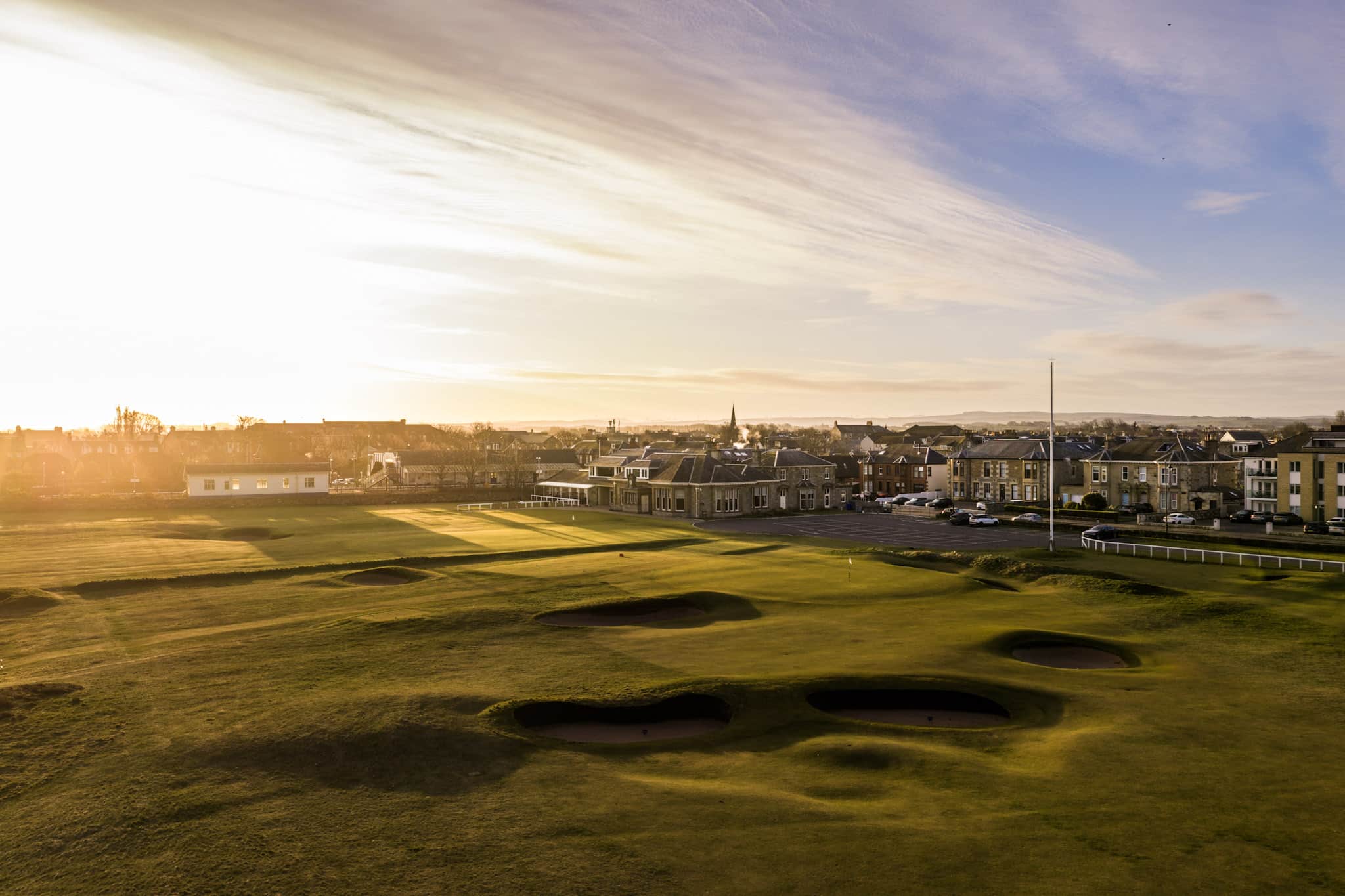
Prestwick
Birthplace of The Open Championship — the most historic golf course in the world, unchanged in spirit since 1851.
Architect: Old Tom Morris· Est. 1851
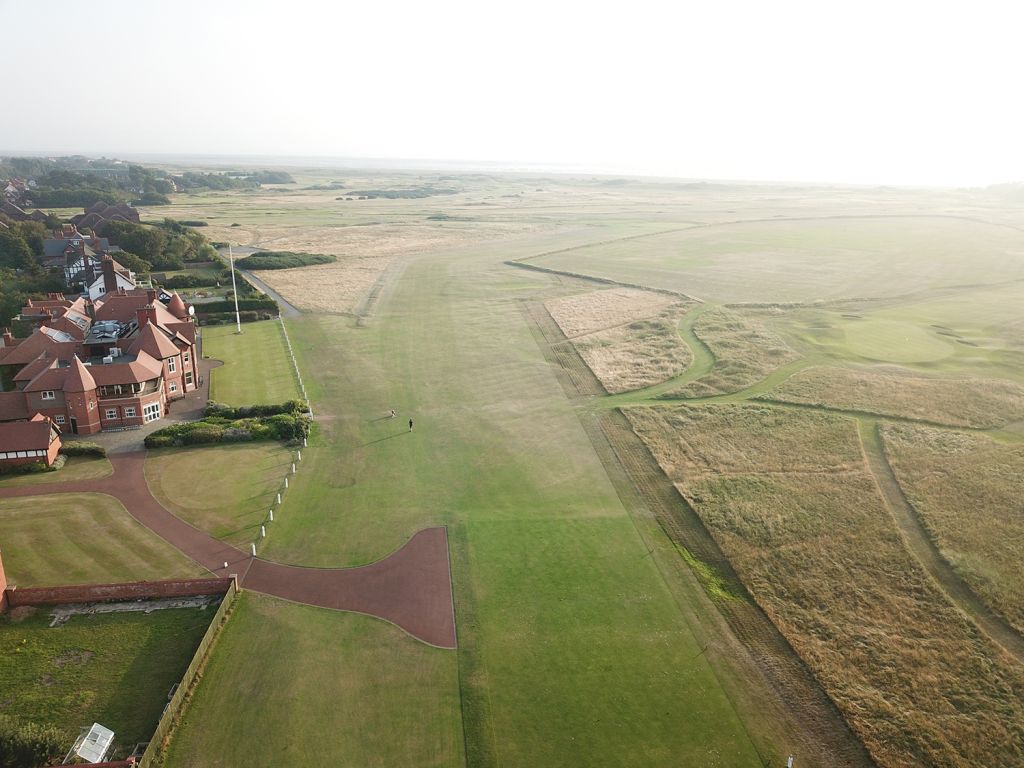
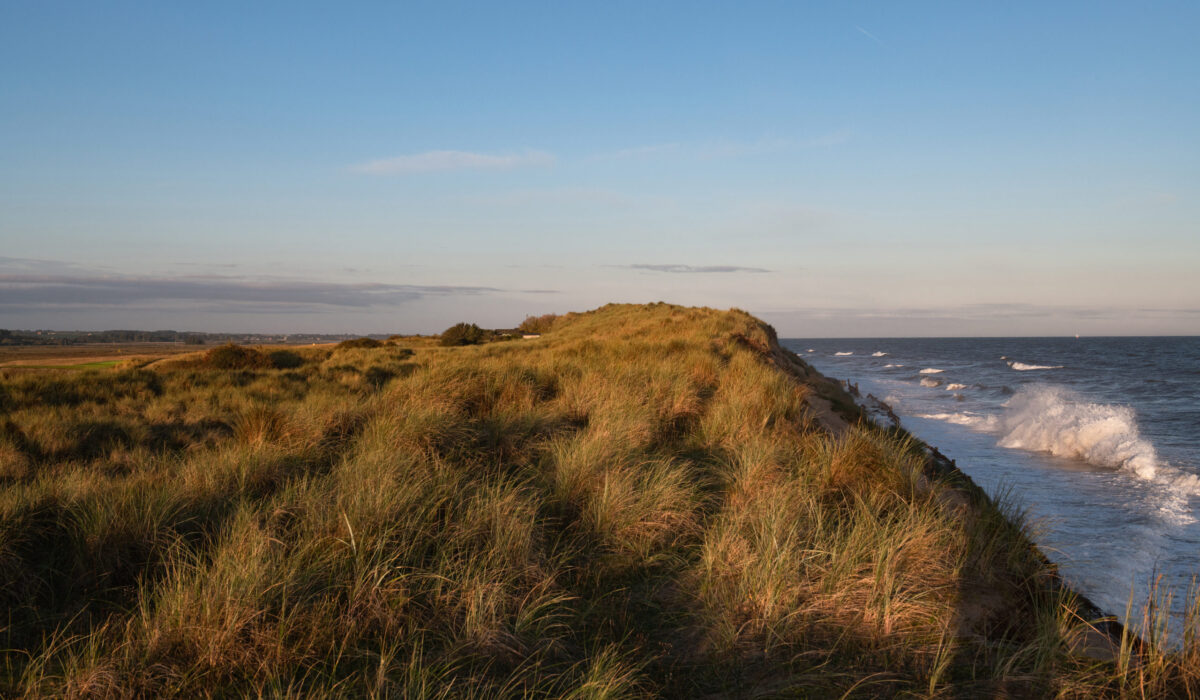
Royal West Norfolk (Brancaster)
England's most remote and atmospheric links — cut off by the tide twice daily on the North Norfolk coast.
Architect: Holcombe Ingleby· Est. 1892

St Enodoc
John Betjeman's beloved Cornish links — wild duneland beside the Camel Estuary, a hidden gem of English golf.
Architect: James Braid· Est. 1890
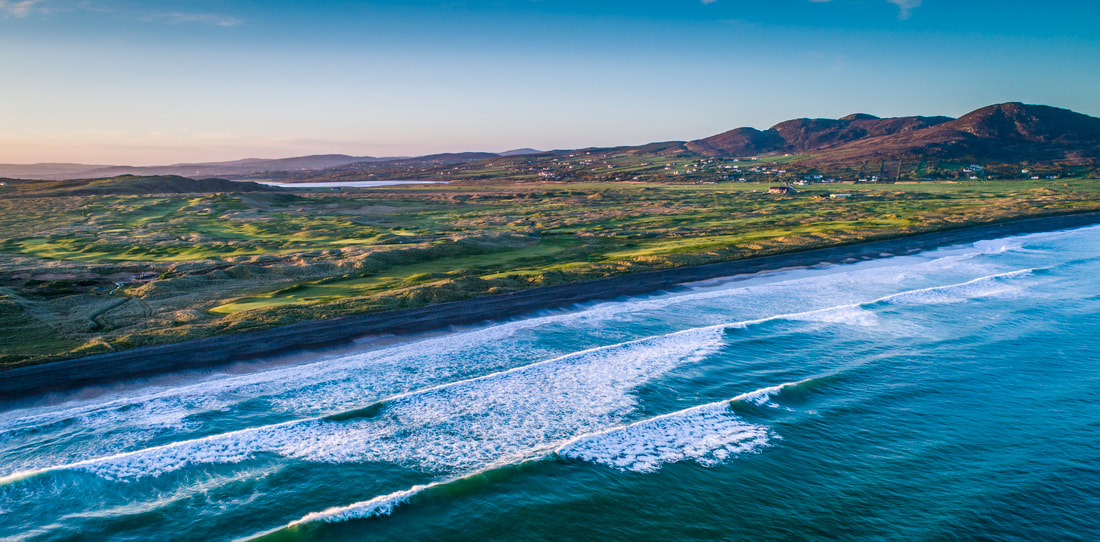
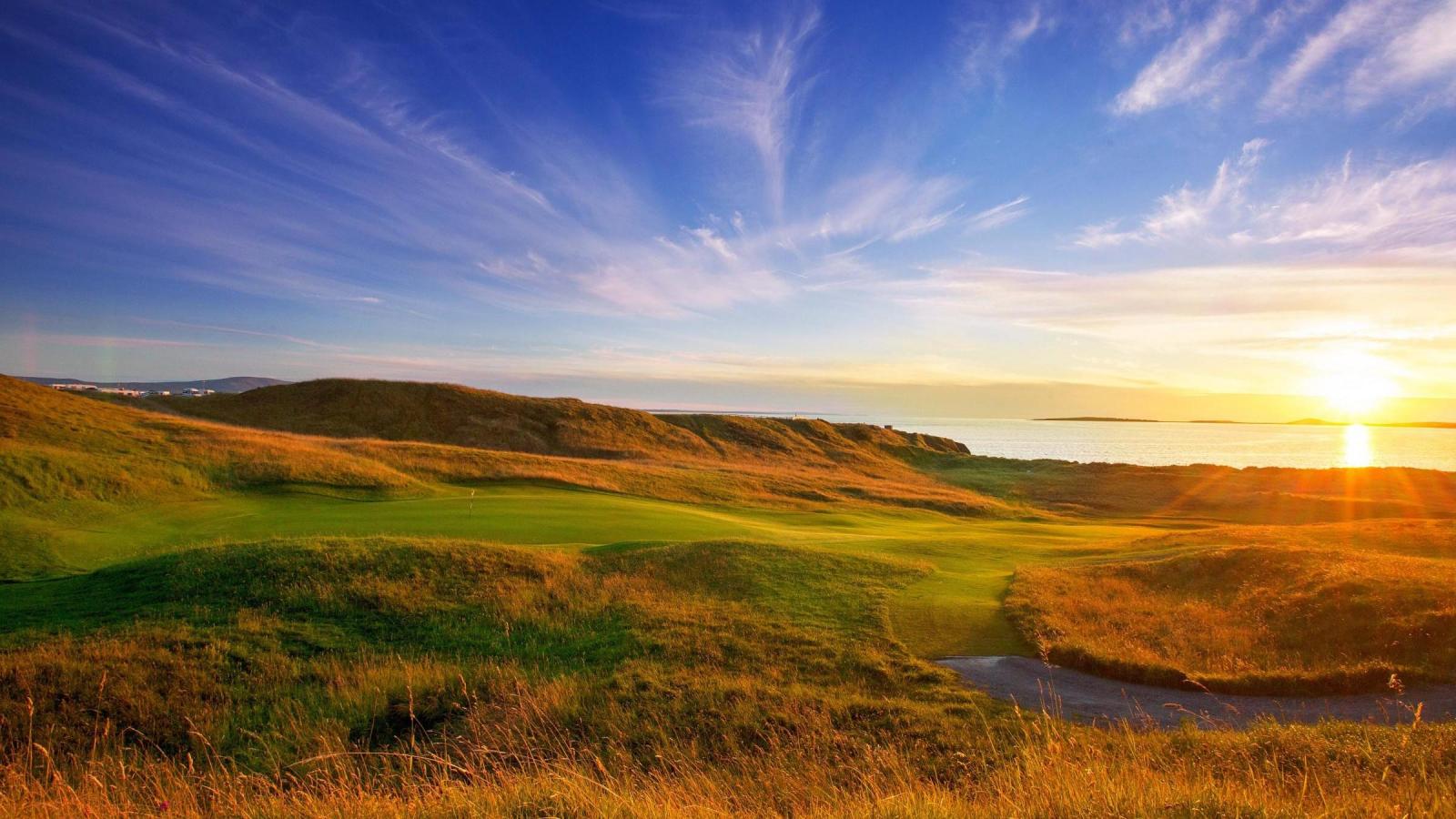
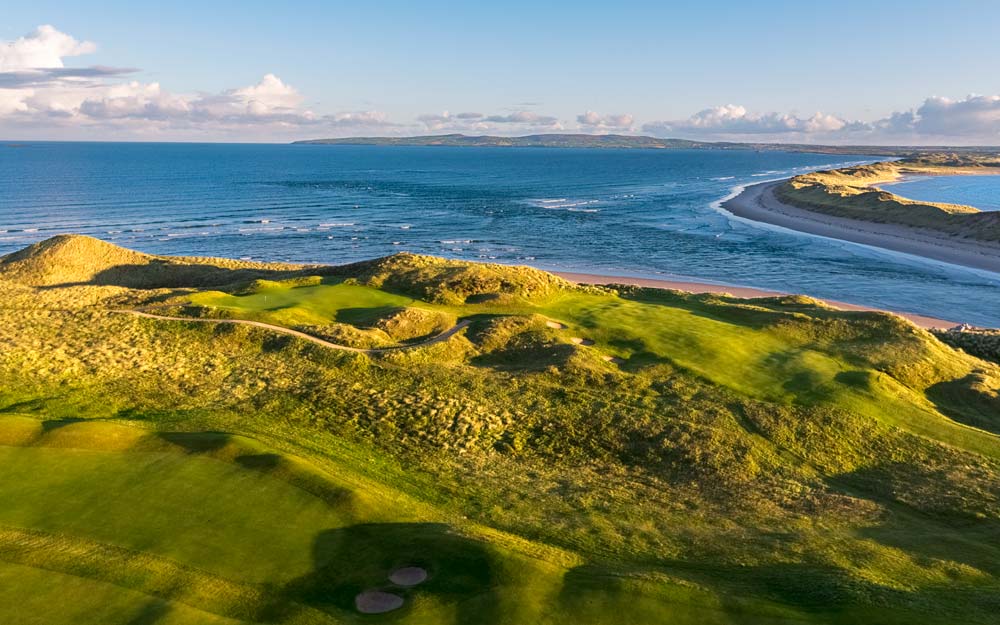
Tralee
Arnold Palmer's masterpiece on the Barrow Peninsula — perhaps the most naturally beautiful links site in the world.
Architect: Arnold Palmer· Est. 1984
Nairn
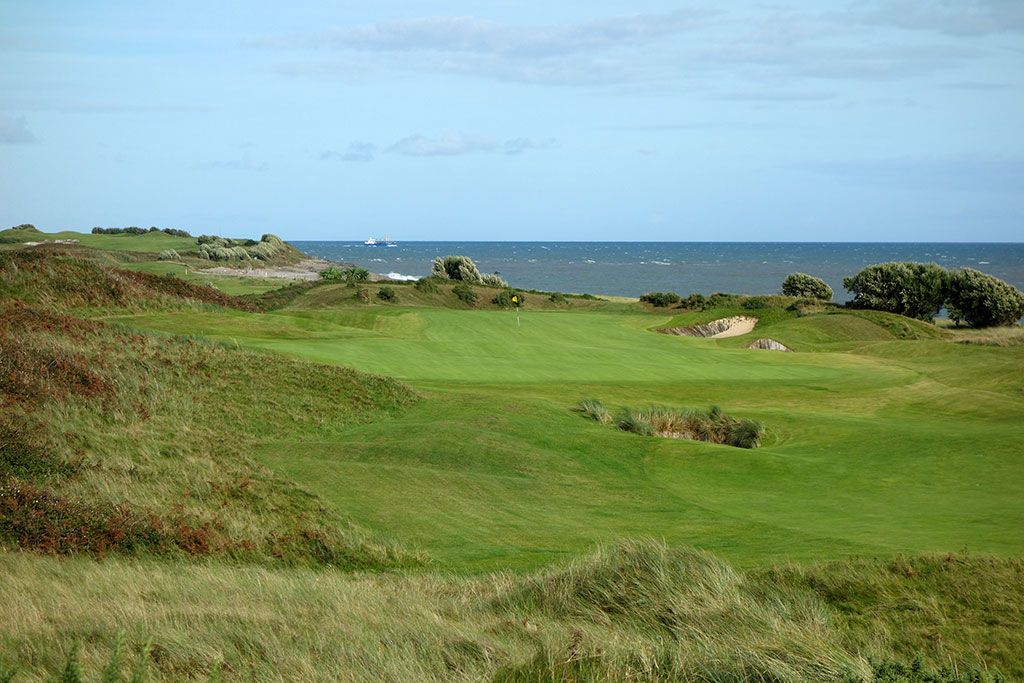
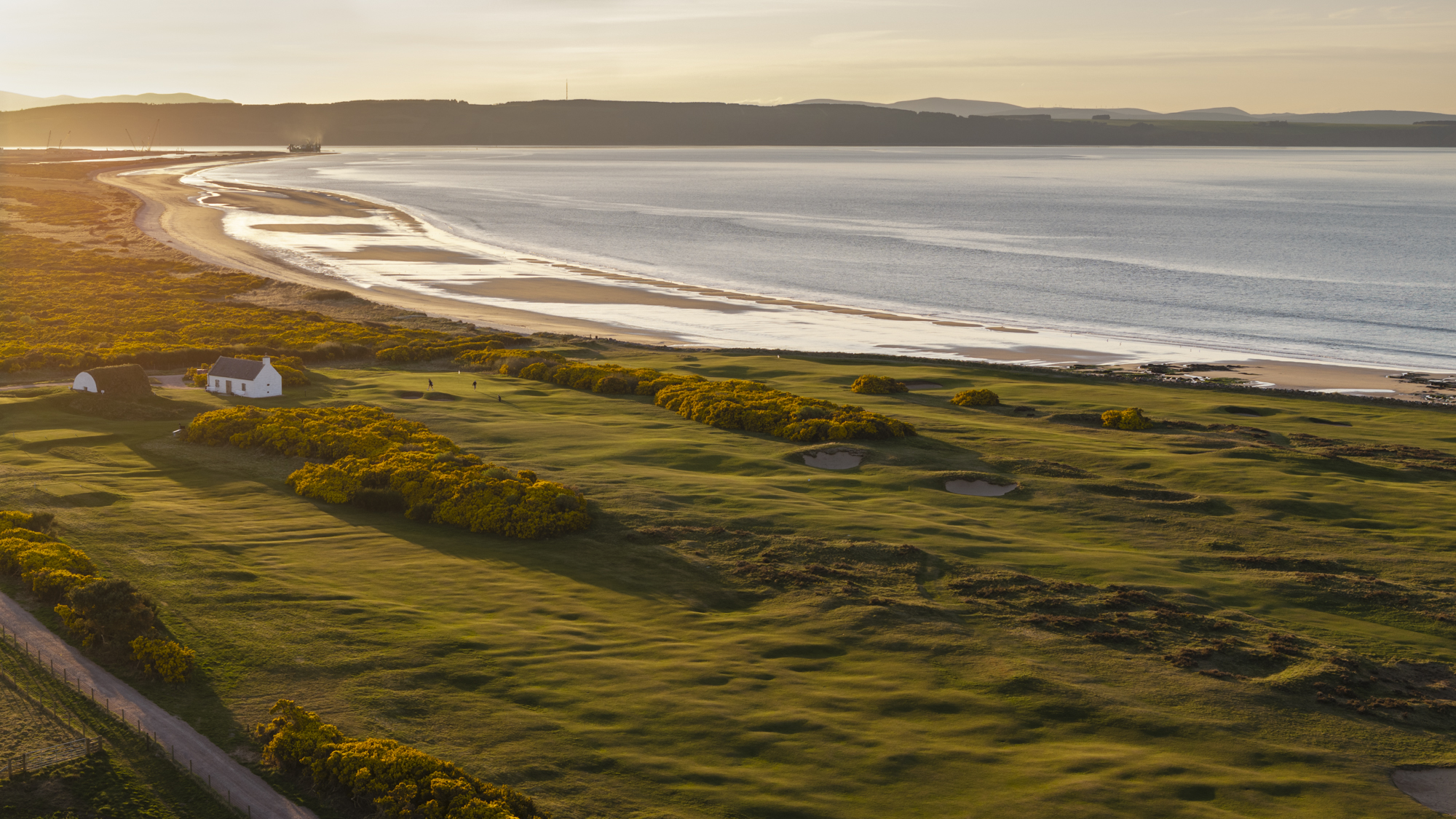
A superb Highland links on the Moray Firth — flat, fast, and fiendishly difficult in the wind.
Architect: Andrew Simpson· Est. 1887
Brora
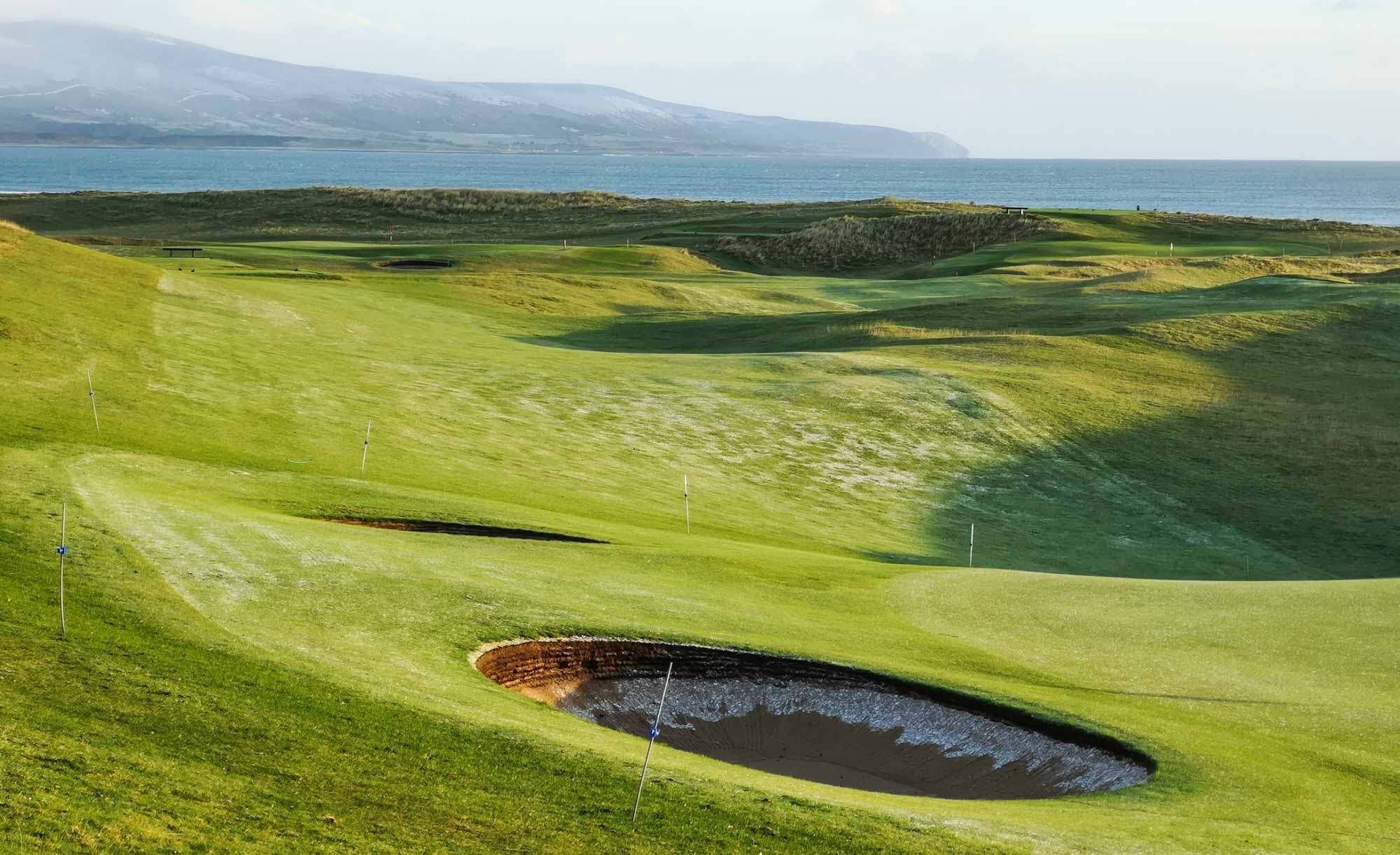
James Braid's remote Highland gem — a pure and joyful links where cattle still roam the fairways.
Architect: James Braid· Est. 1891
Kennemer
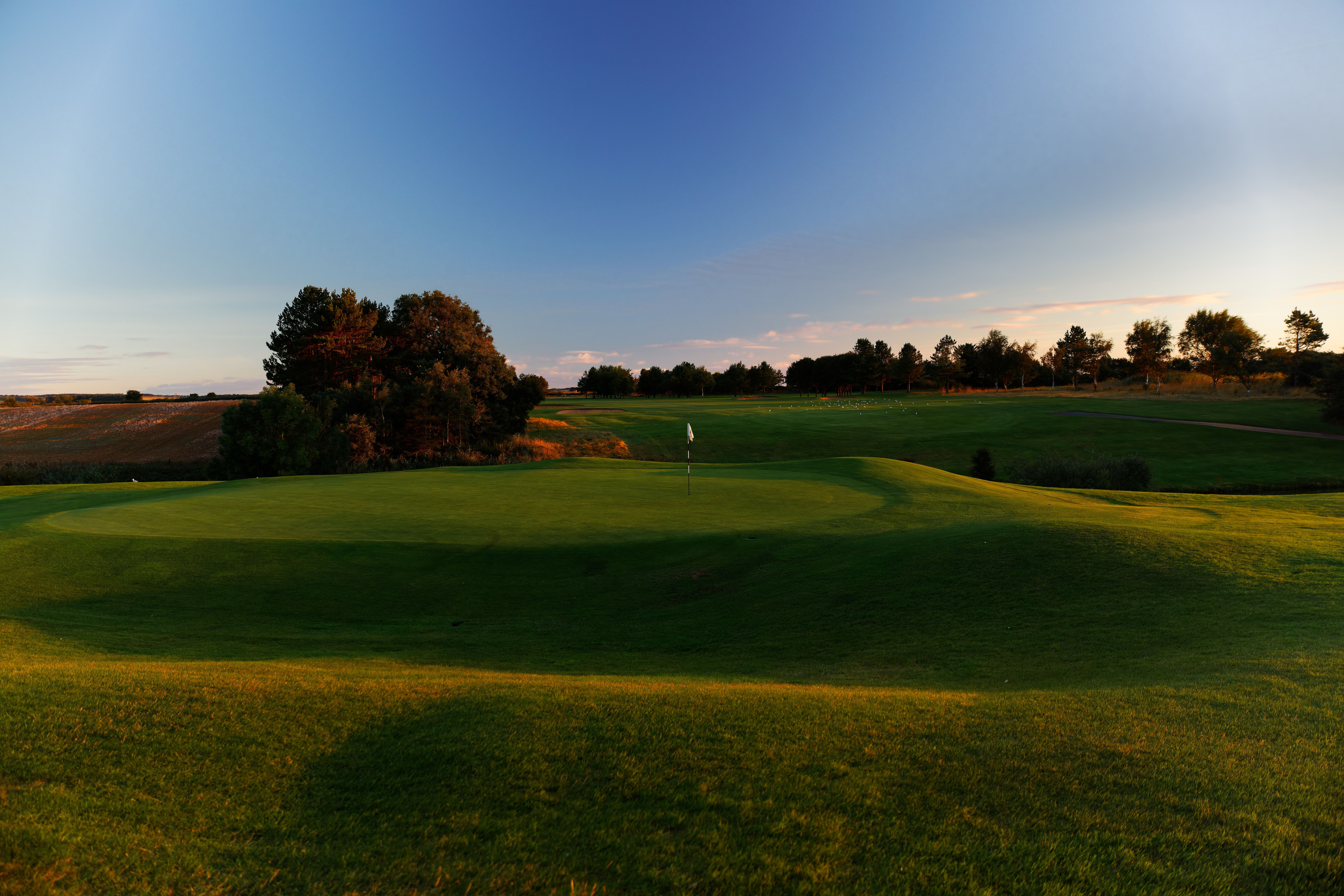
Harry Colt's masterpiece among the great Dutch dunes — one of the finest and most underrated links in Continental Europe.
Architect: H.S. Colt· Est. 1927

Falsterbo
Scandinavia's greatest links — a remote peninsula at Sweden's southernmost tip, with migratory birds and Baltic vistas.
Architect: Gunnar Bauer· Est. 1909

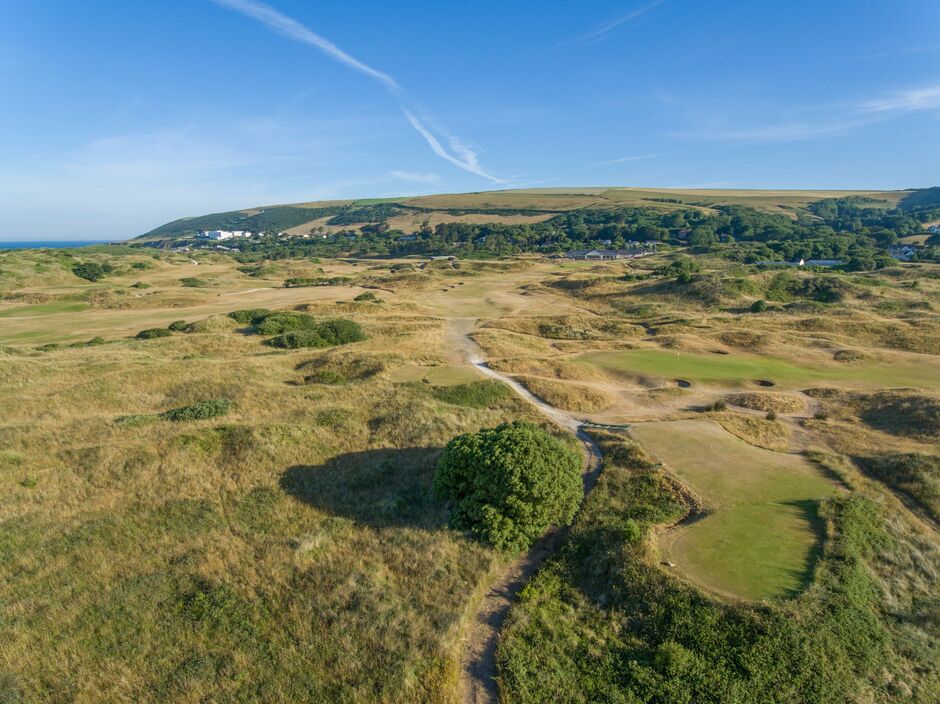
Saunton East
England's most underrated links — a magnificent Herbert Fowler design through the vast Braunton Burrows dune system.
Architect: Herbert Fowler· Est. 1897
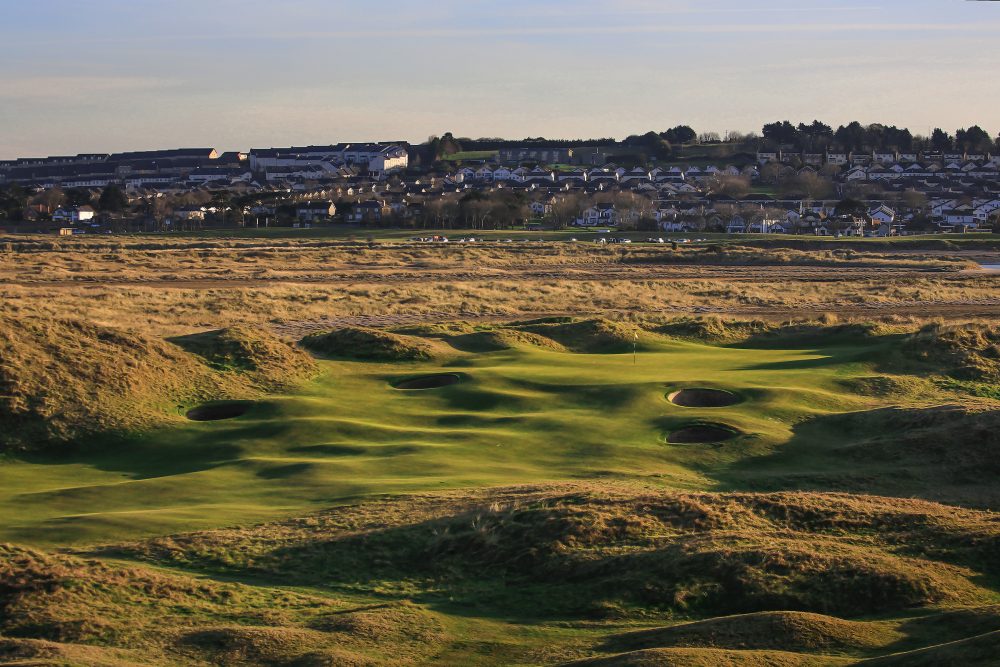
The Island
Ireland's most secluded links — accessible only by ferry across a tidal inlet north of Dublin Airport.
Architect: Fred Hawtree· Est. 1890
-14th-ocean.jpg)
Carne
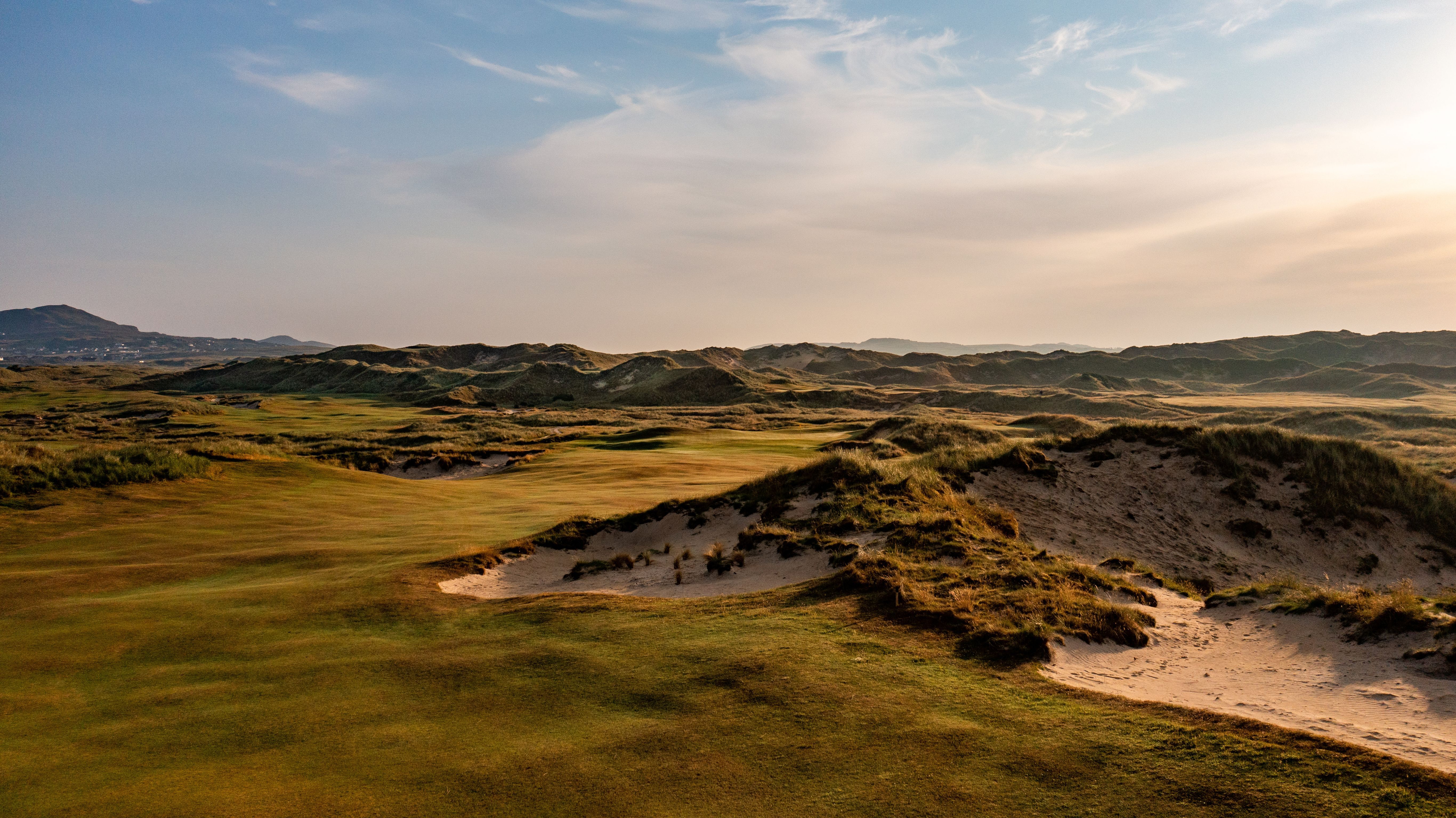
Eddie Hackett's final masterpiece — wild, remote, and utterly authentic links on Ireland's wild northwest coast.
Architect: Eddie Hackett· Est. 1995
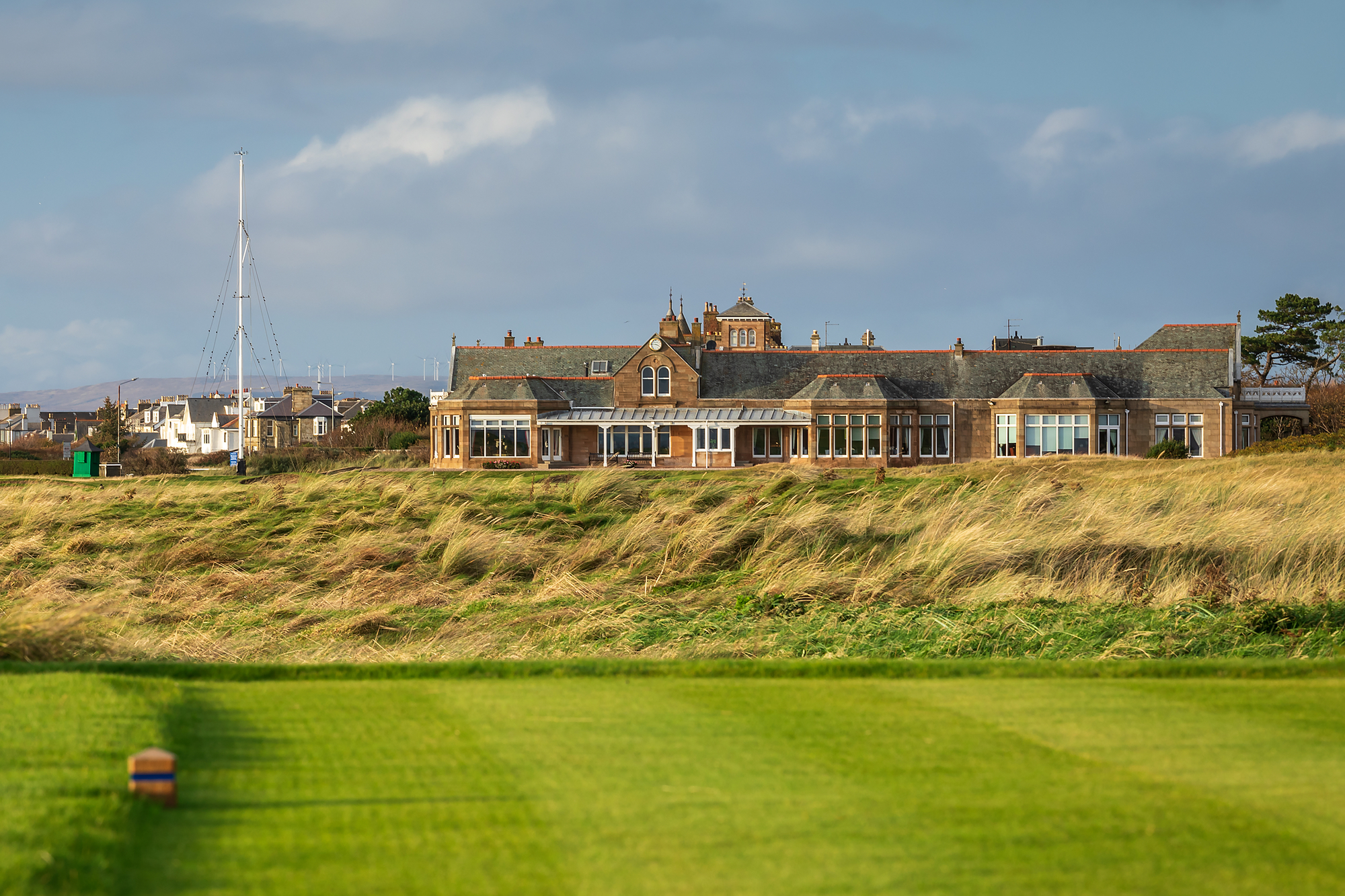
Royal Troon
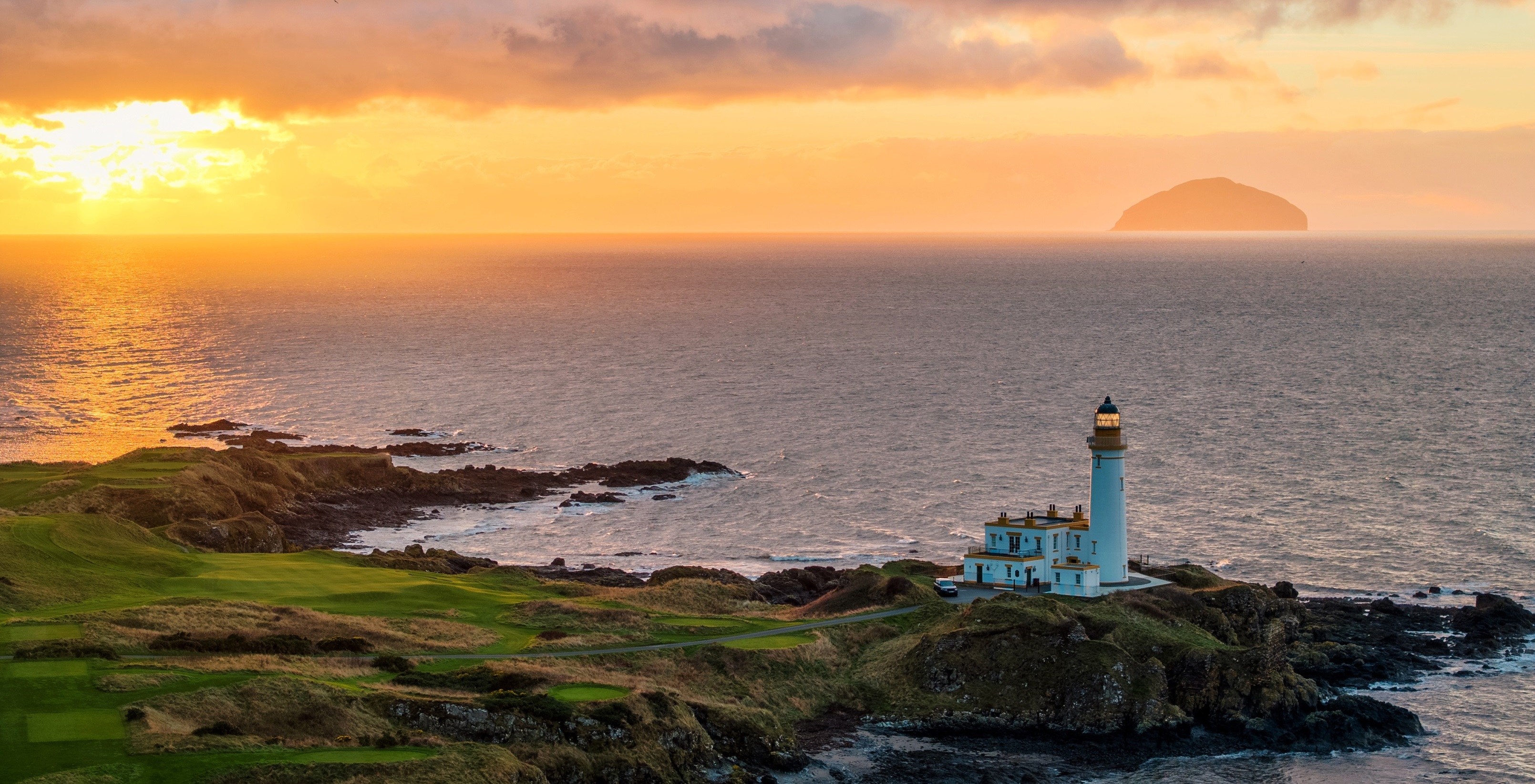
Home of the Postage Stamp — Scotland's most famous short hole on an Open Championship course of legendary difficulty.
Architect: George Strath· Est. 1878
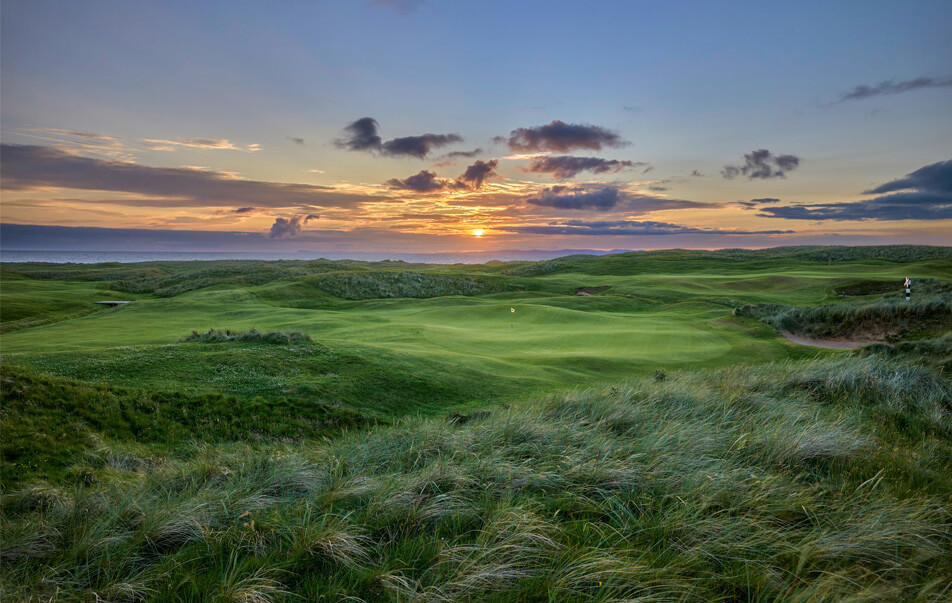


Royal Aberdeen
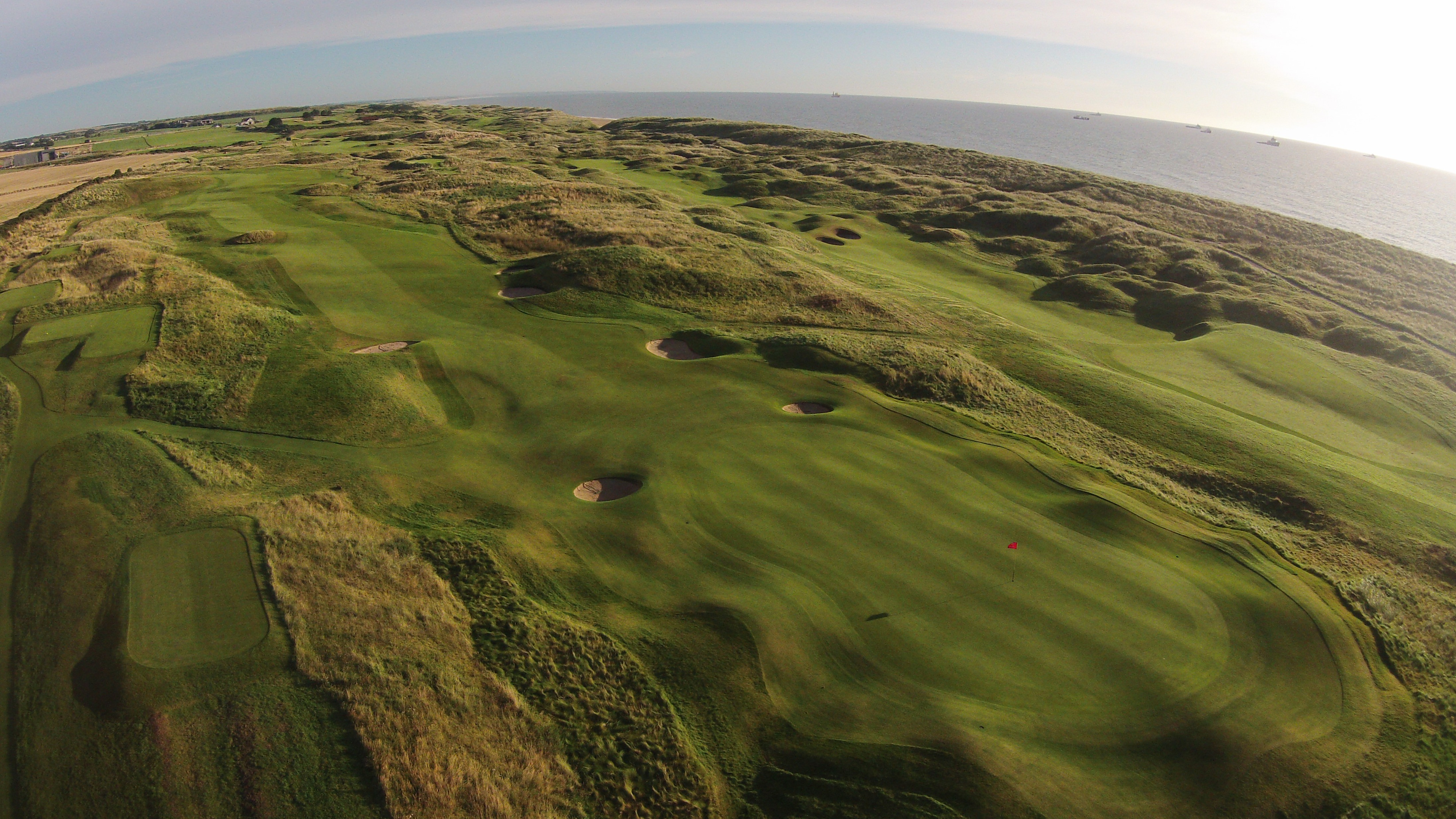
One of Scotland's oldest clubs, with a magnificent traditional out-and-back layout running along the North Sea shore.
Architect: Archie Simpson· Est. 1888


Machrihanish
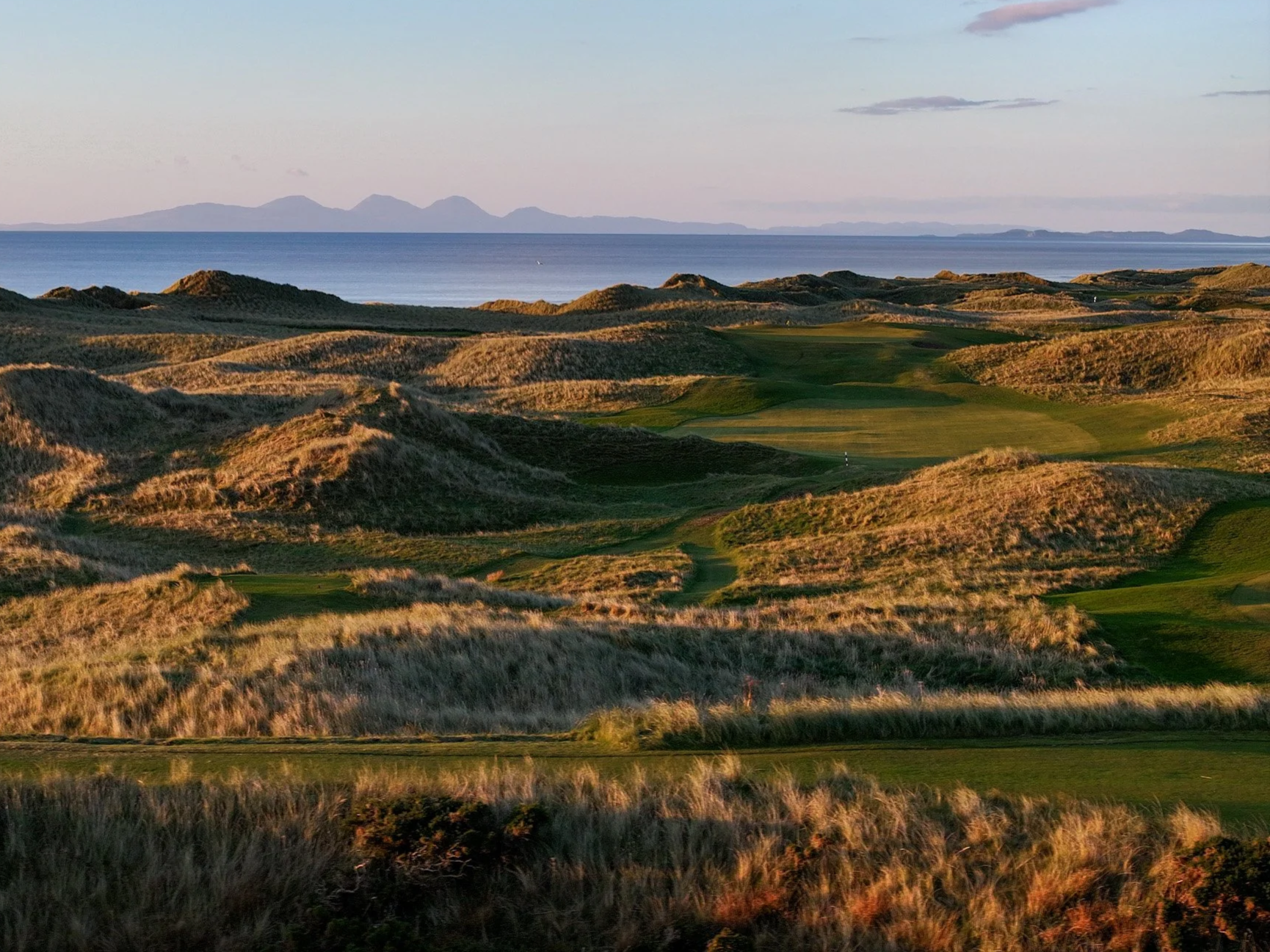
One of the most natural and romantic links in Scotland, featuring the great opening hole played across the beach of Machrihanish Bay.
Architect: Old Tom Morris· Est. 1876

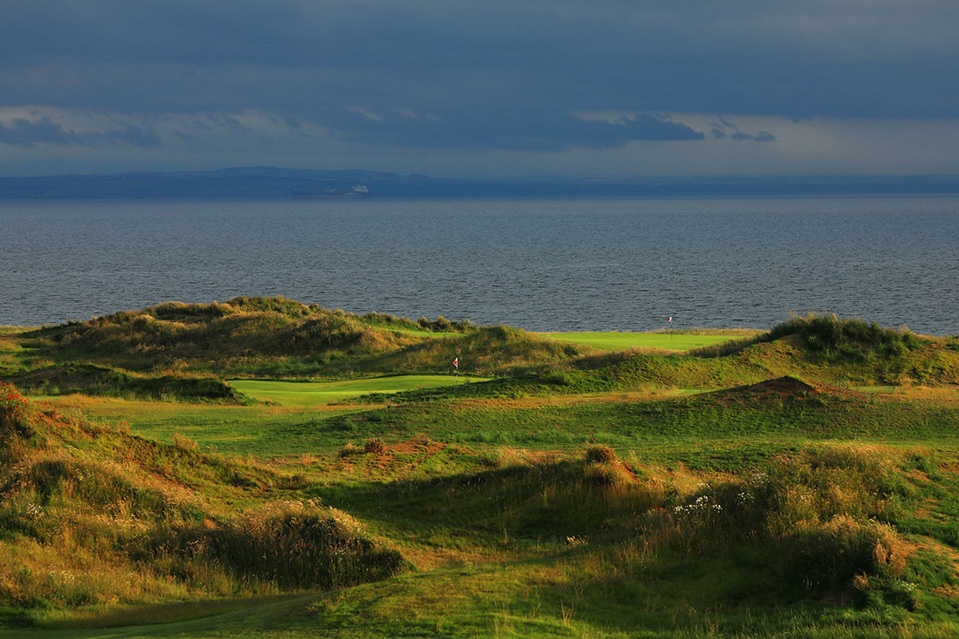
Dumbarnie Links
Fife's newest links, Clive Clark's 2020 masterpiece on the Balcarres Estate with sweeping views over the Firth of Forth.
Architect: Clive Clark· Est. 2020
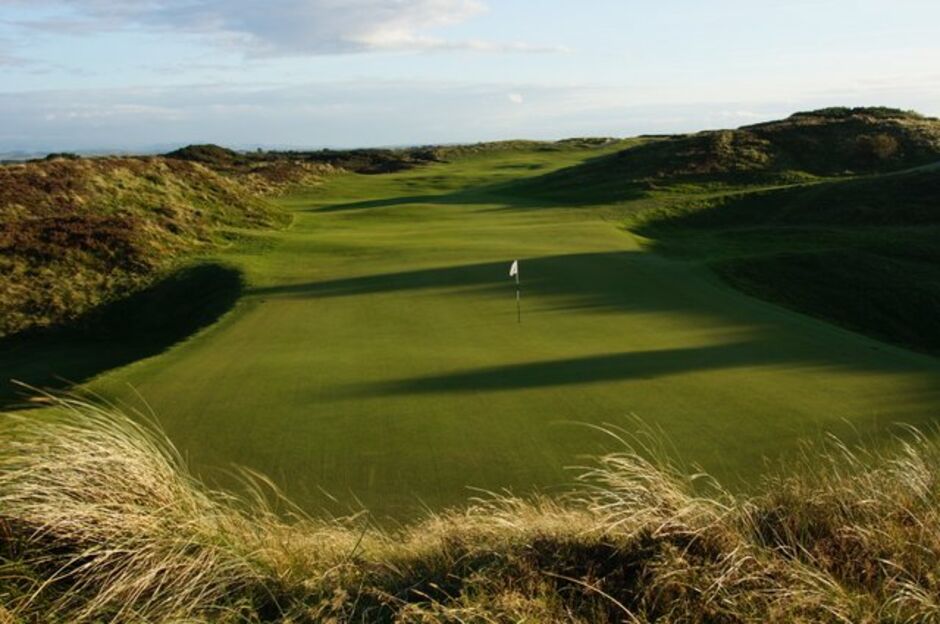
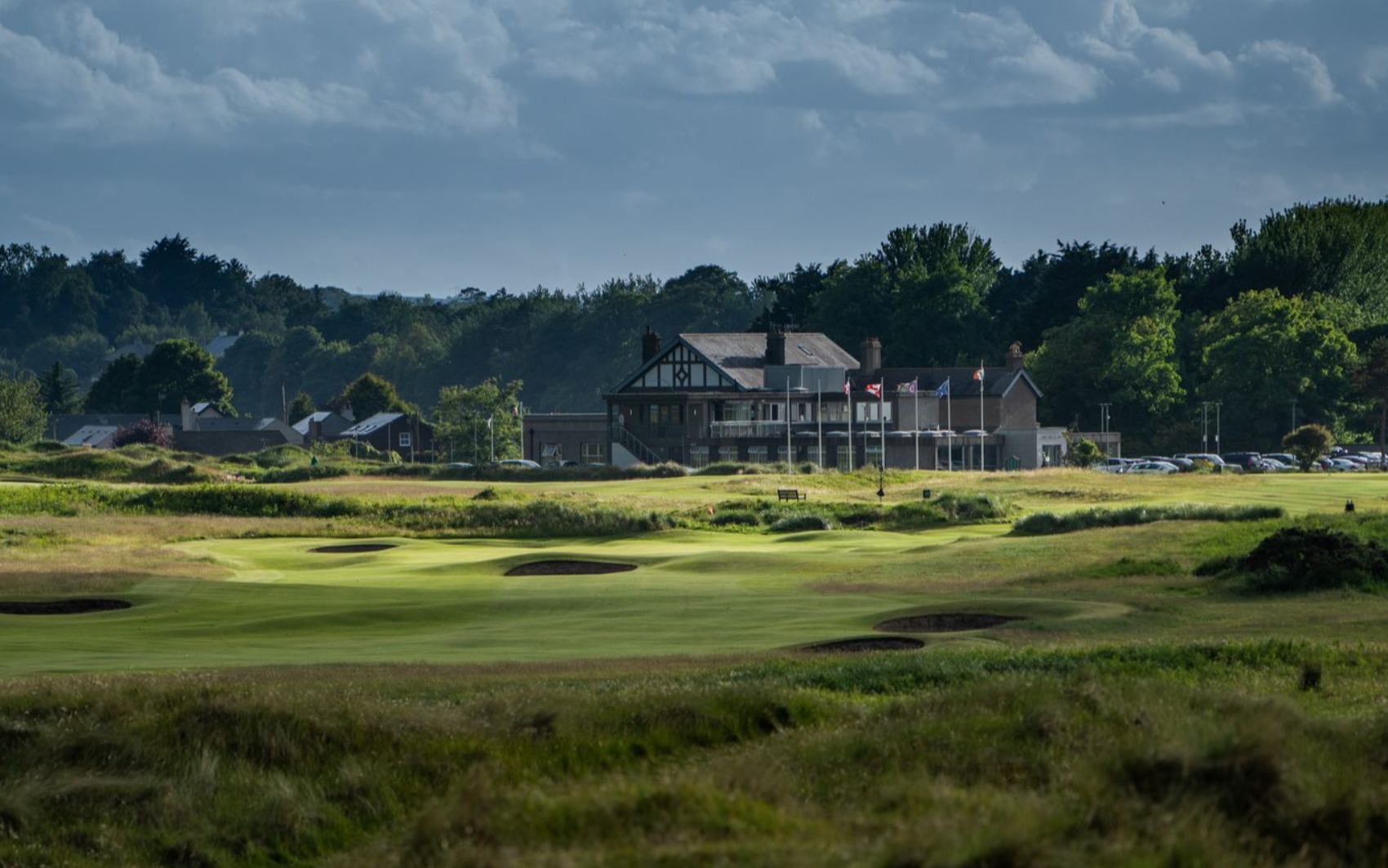
County Louth
One of Ireland's most atmospheric links, a Tom Simpson-revised classic beside the Boyne Estuary with legendary turf quality.
Architect: Tom Simpson· Est. 1892


Formby
The prettiest of the Lancashire links, where pine-bordered fairways and towering dunes create a unique hybrid character.
Architect: Willie Park Jr· Est. 1884
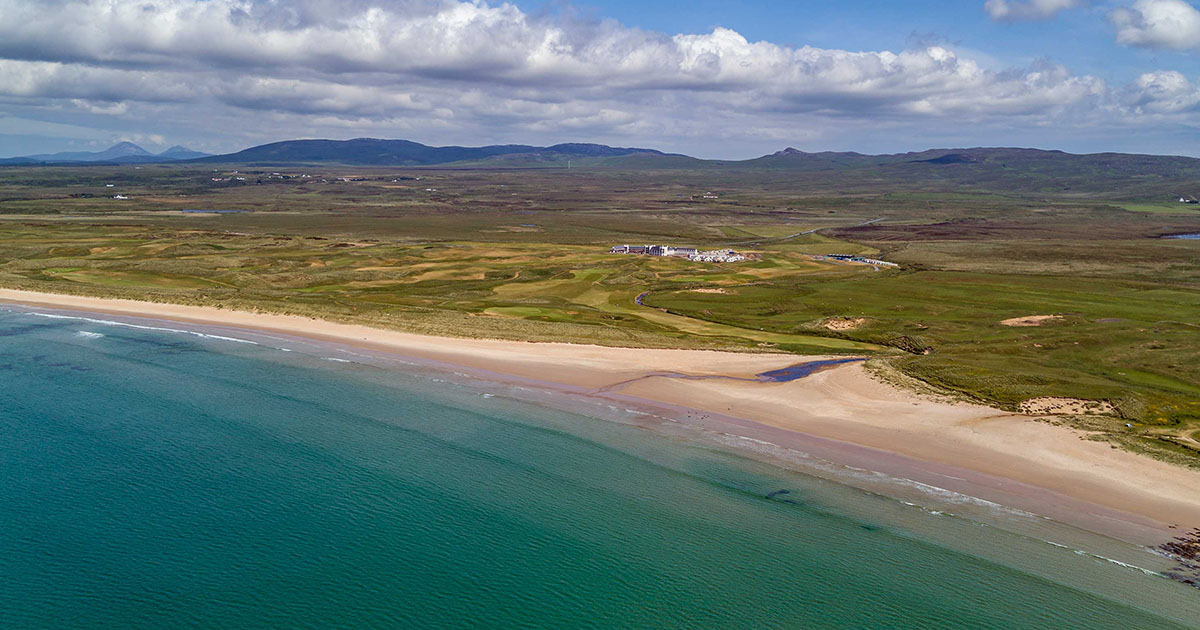
The Machrie
A wild, elemental links on the Isle of Islay — blind shots, whisky distilleries, and one of Scotland's most atmospheric golfing escapes.
Architect: Willie Campbell· Est. 1891


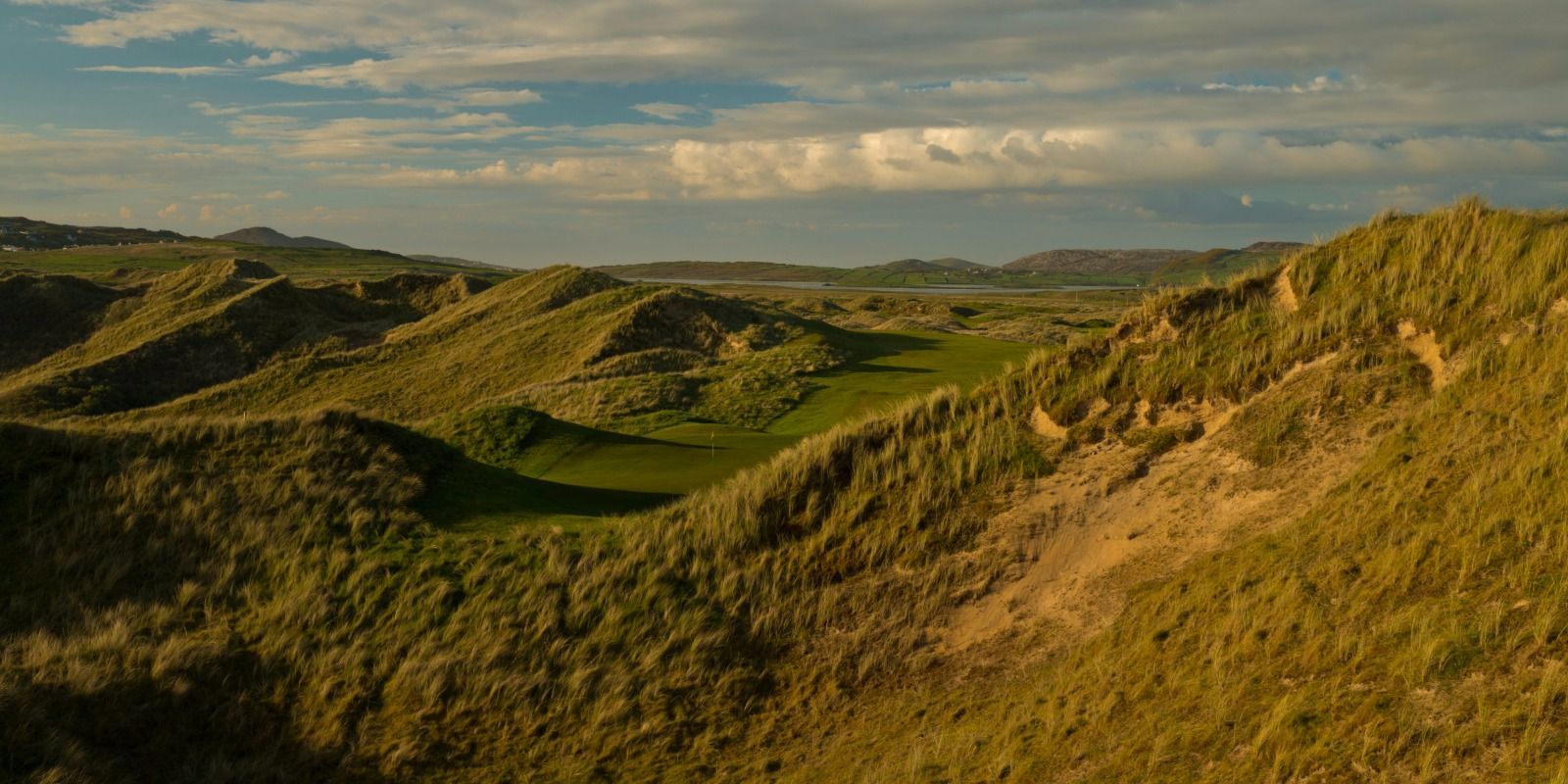
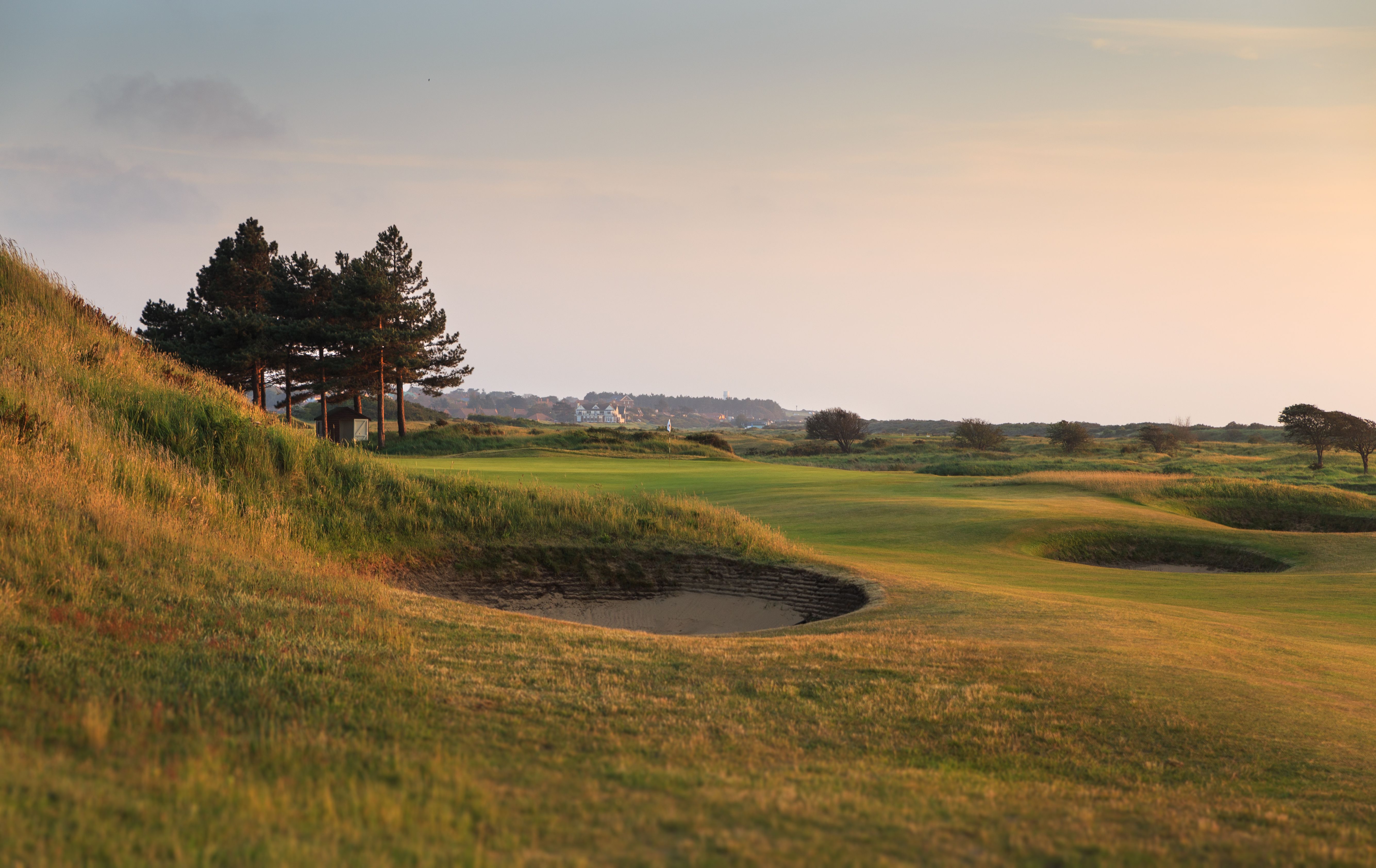


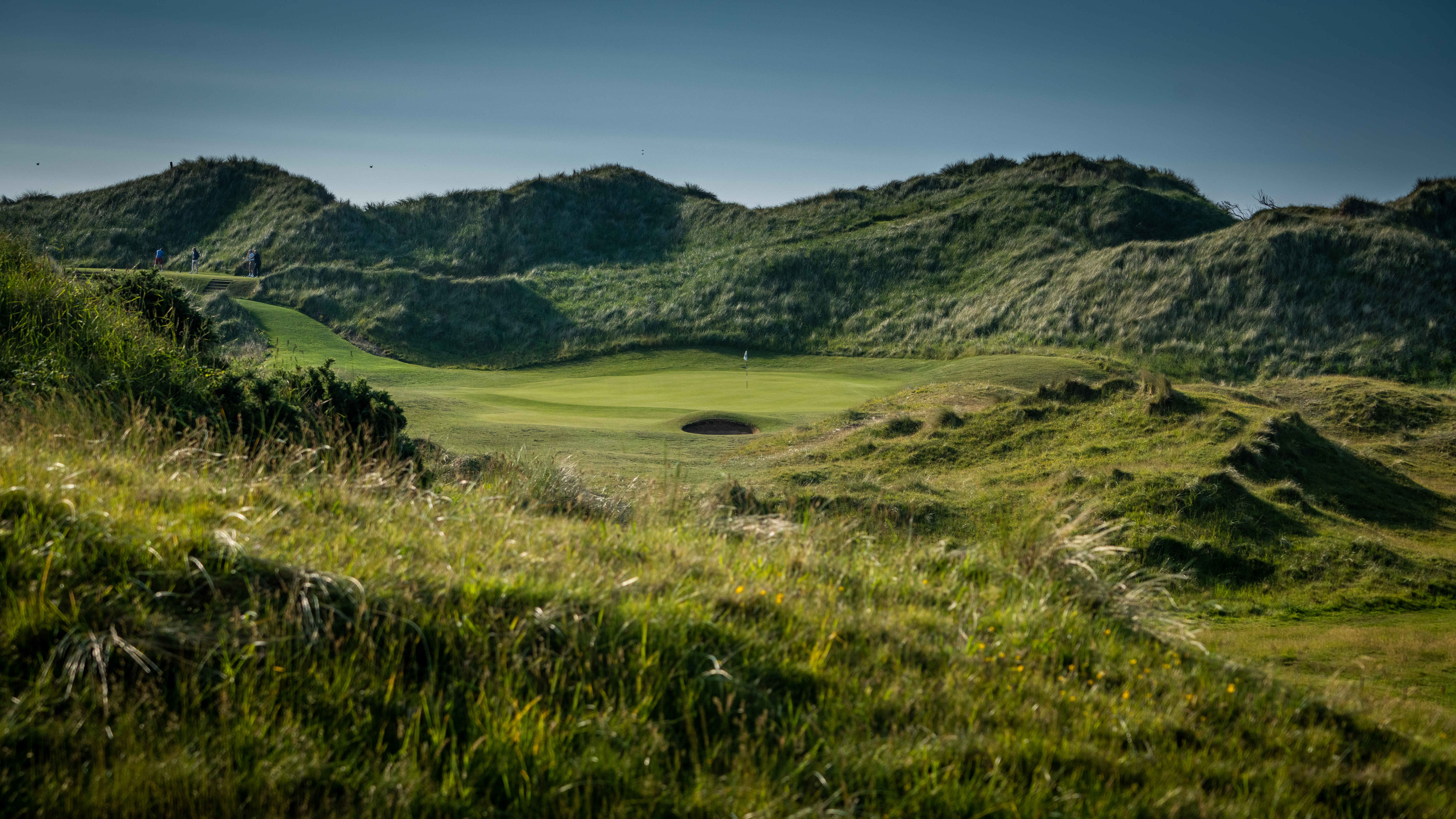
Portstewart Strand
Northern Ireland's second great links, opening with seven spectacular holes through towering dunes before descending to the Bann Estuary.
Architect: Traditional· Est. 1894
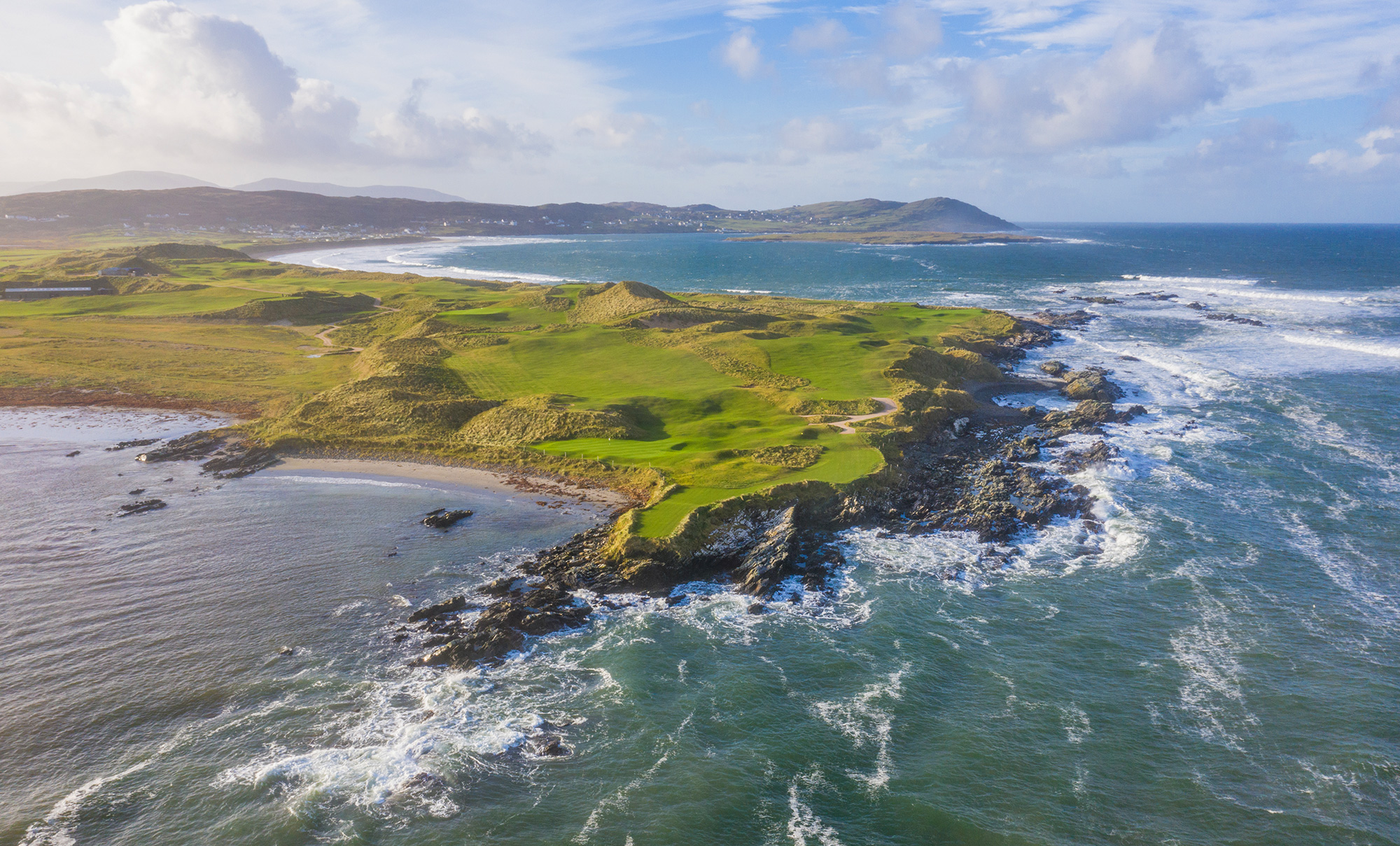
Narin & Portnoo
A wild, short Donegal links on a rocky Atlantic headland — one of Ireland's most authentic and affordable golfing experiences.
Architect: Local community· Est. 1930

Pennard
A dramatic clifftop links above Three Cliffs Bay on the Gower Peninsula, one of Wales's most spectacular golf settings.
Architect: James Braid· Est. 1896


Aberdovey
Bernard Darwin's beloved links on the Dyfi Estuary, one of the most charming and most written-about courses in the history of golf.
Architect: Colonel Ruck· Est. 1892

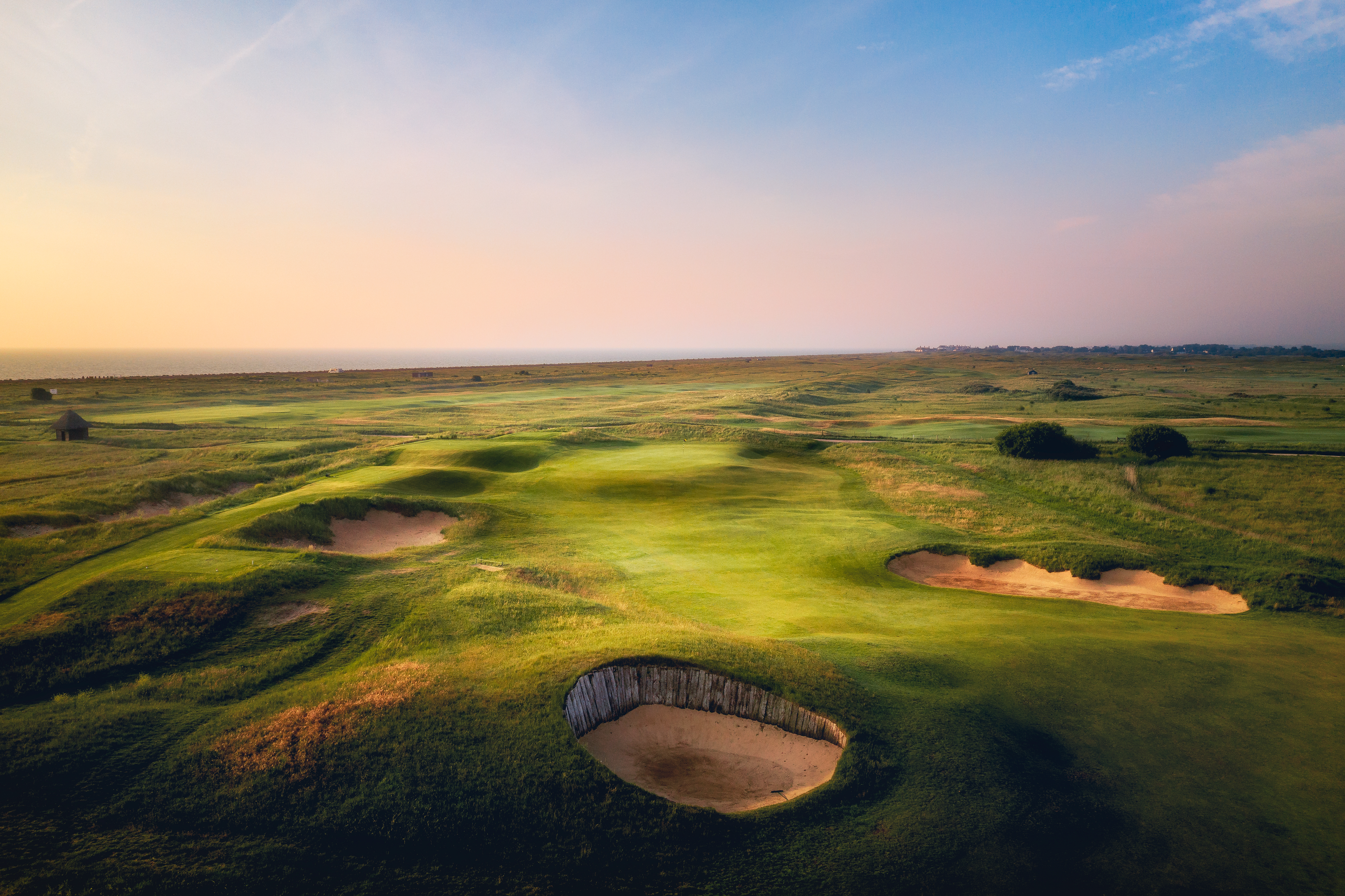
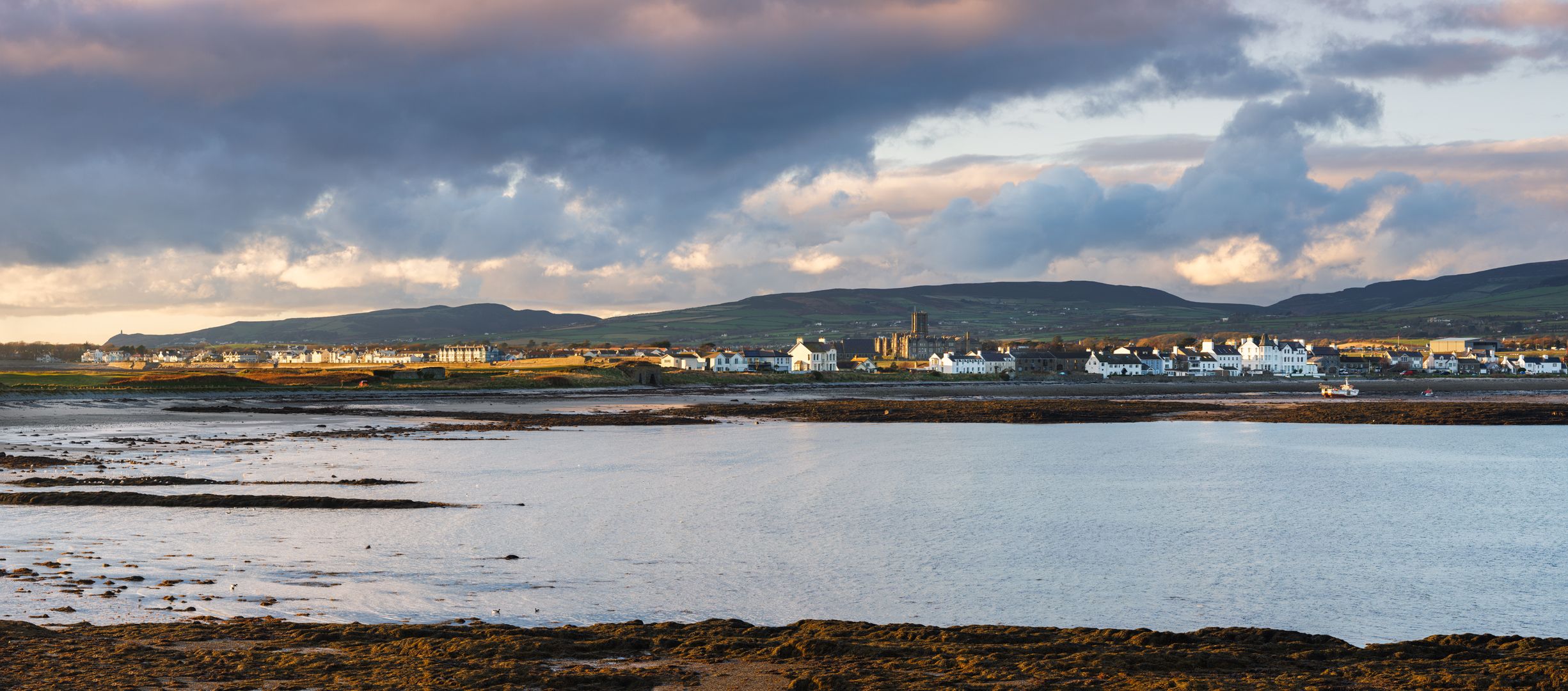
Castletown
Old Tom Morris's dramatic links on a rocky limestone headland at the southern tip of the Isle of Man, with views of four kingdoms.
Architect: Old Tom Morris· Est. 1892

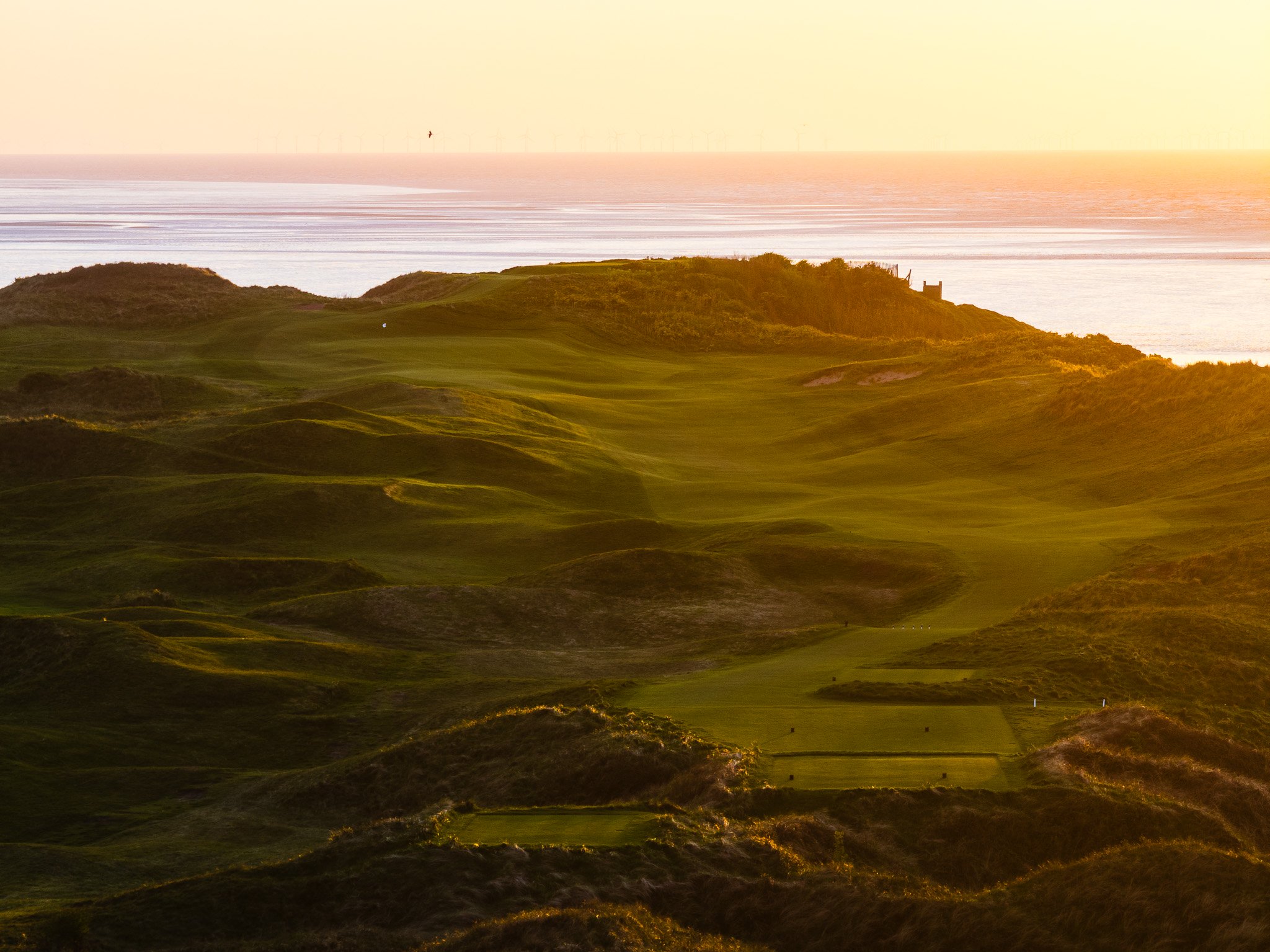

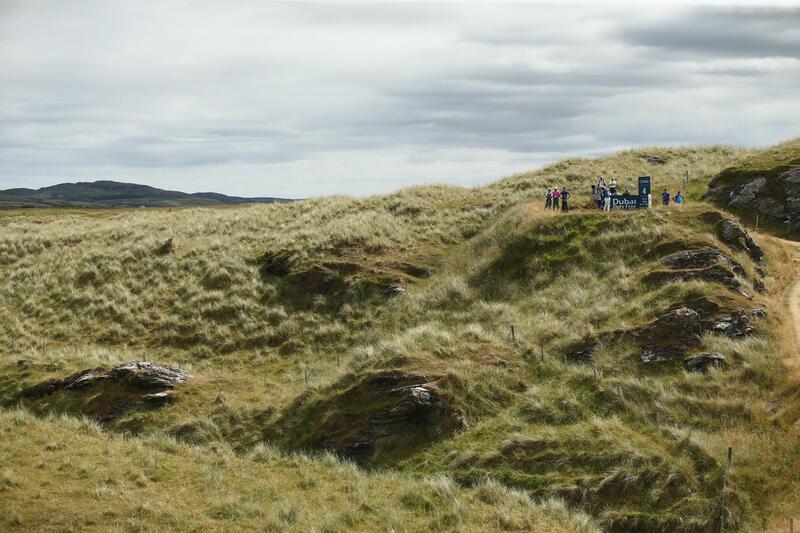
Ballyliffin Old
The original links at Ballyliffin — more natural and rugged than the Glashedy, with a timeless wild Donegal character.
Architect: Traditional· Est. 1947
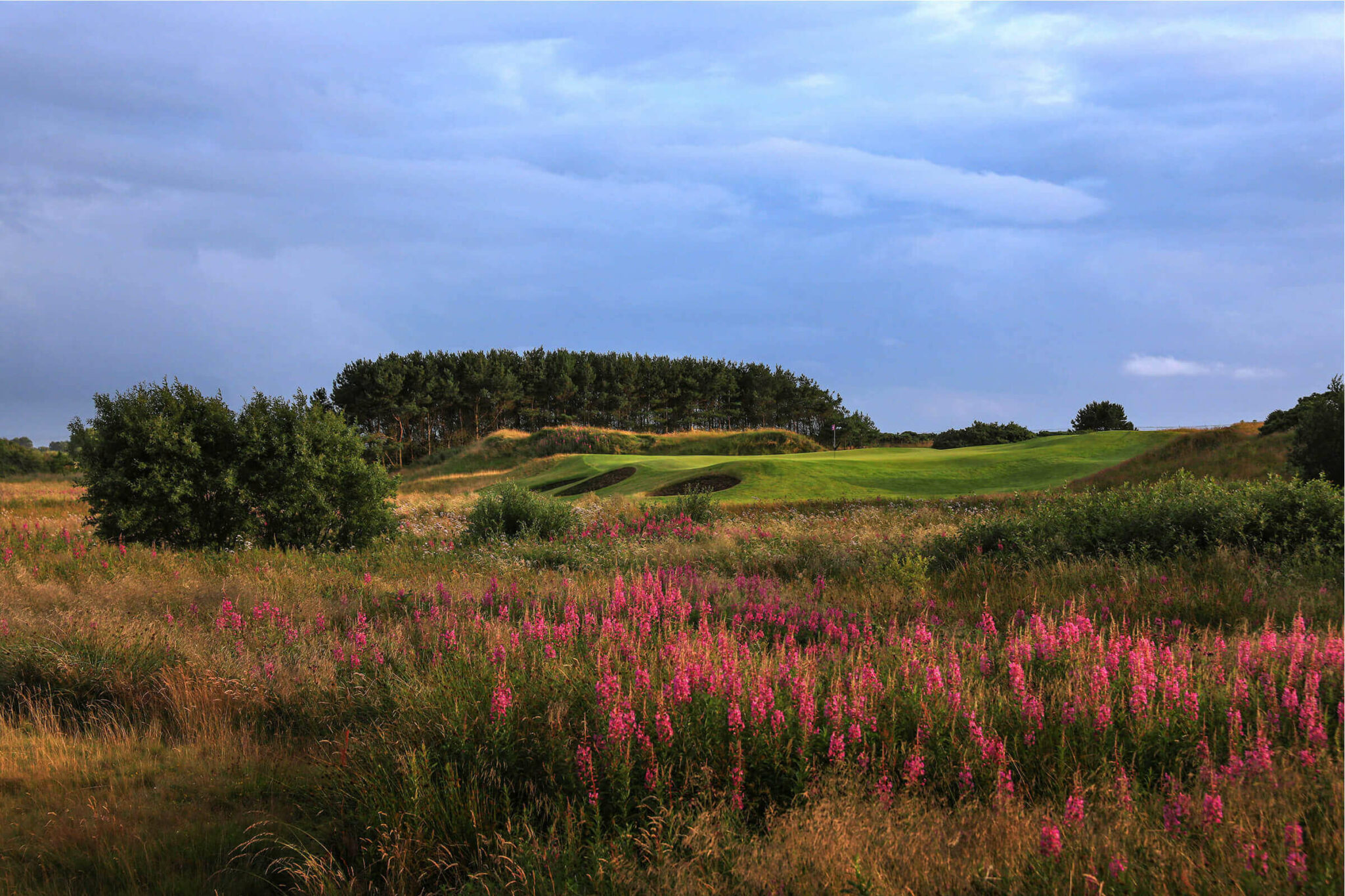
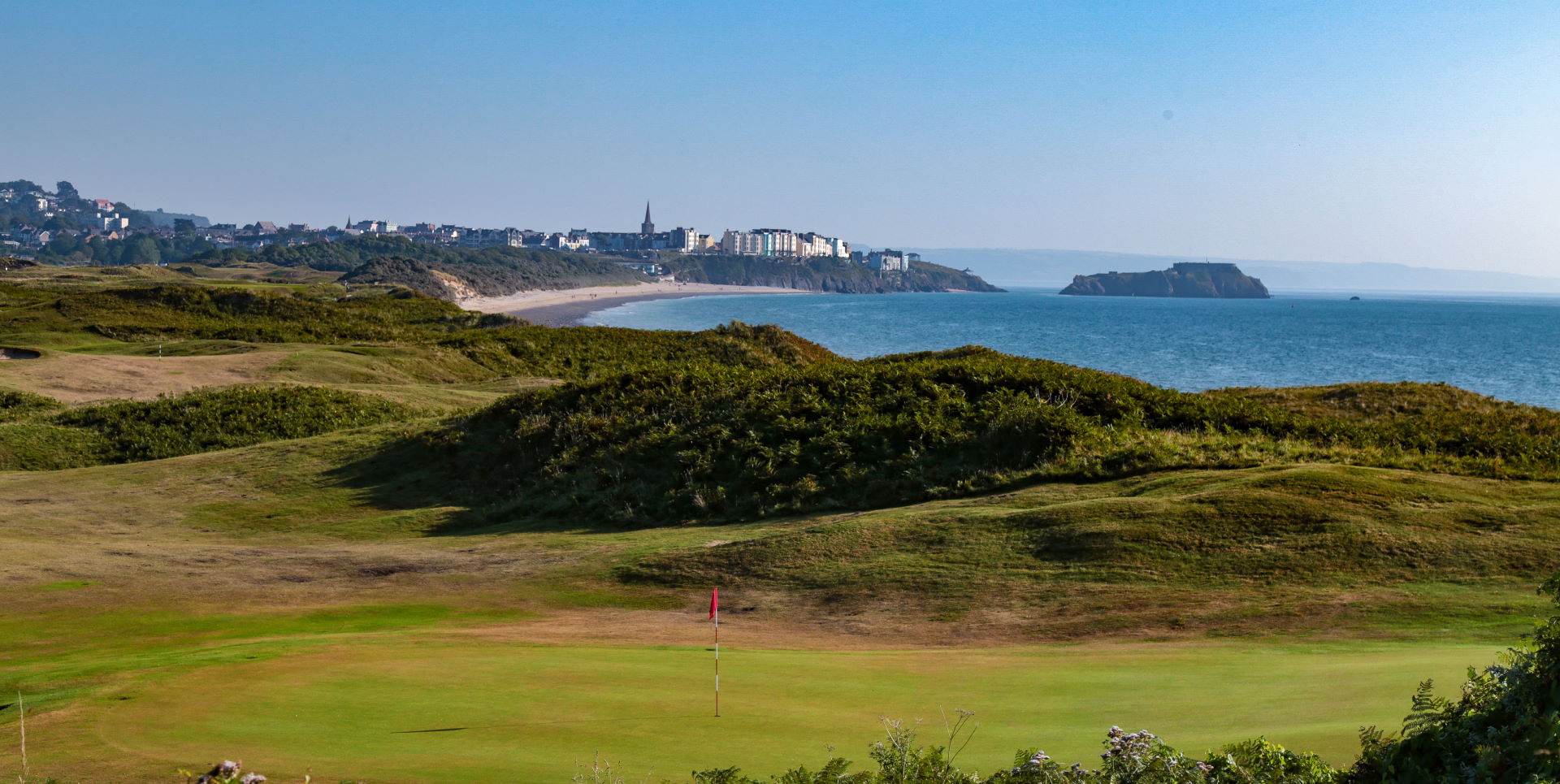
Tenby
Wales' oldest links course, perched above the sea at Tenby — a classic Victorian seaside gem unchanged for over a century.
Architect: James Braid· Est. 1888
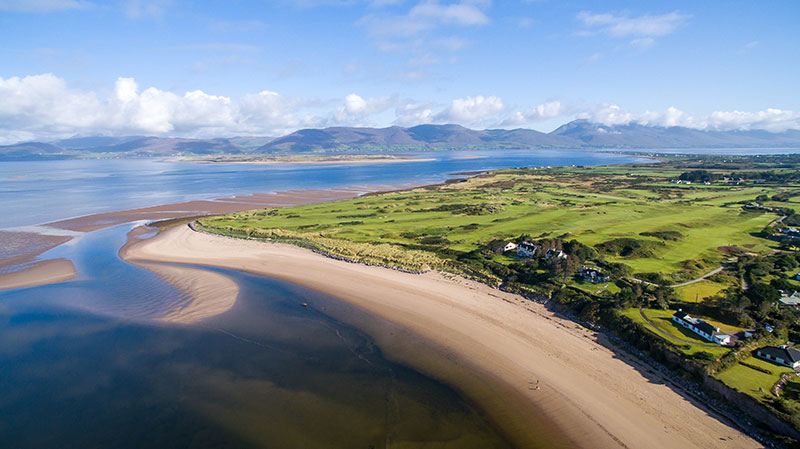
Dooks
A hidden gem on the Ring of Kerry — one of Ireland's oldest links, offering wild Atlantic golf in unspoilt surroundings.
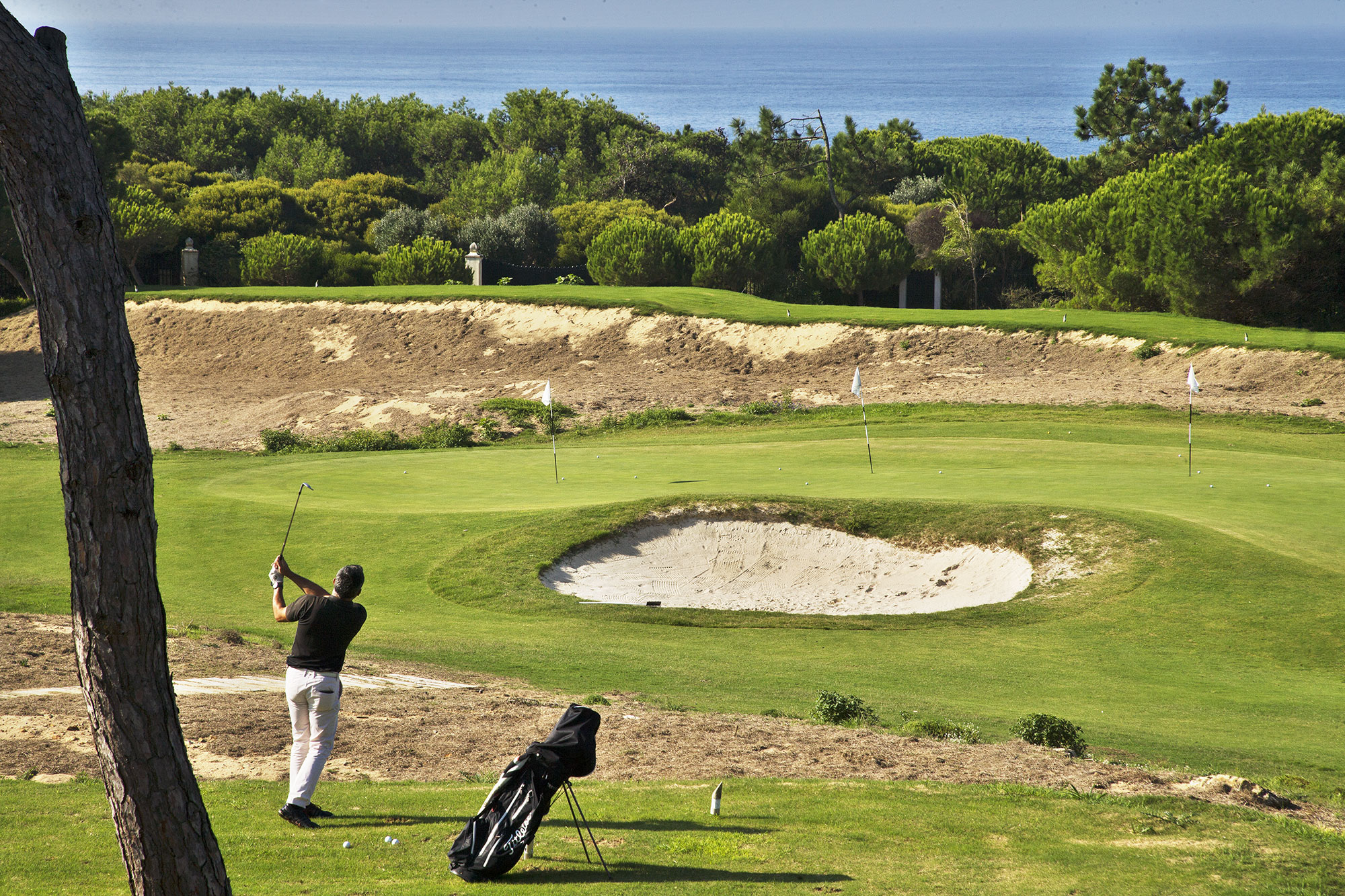
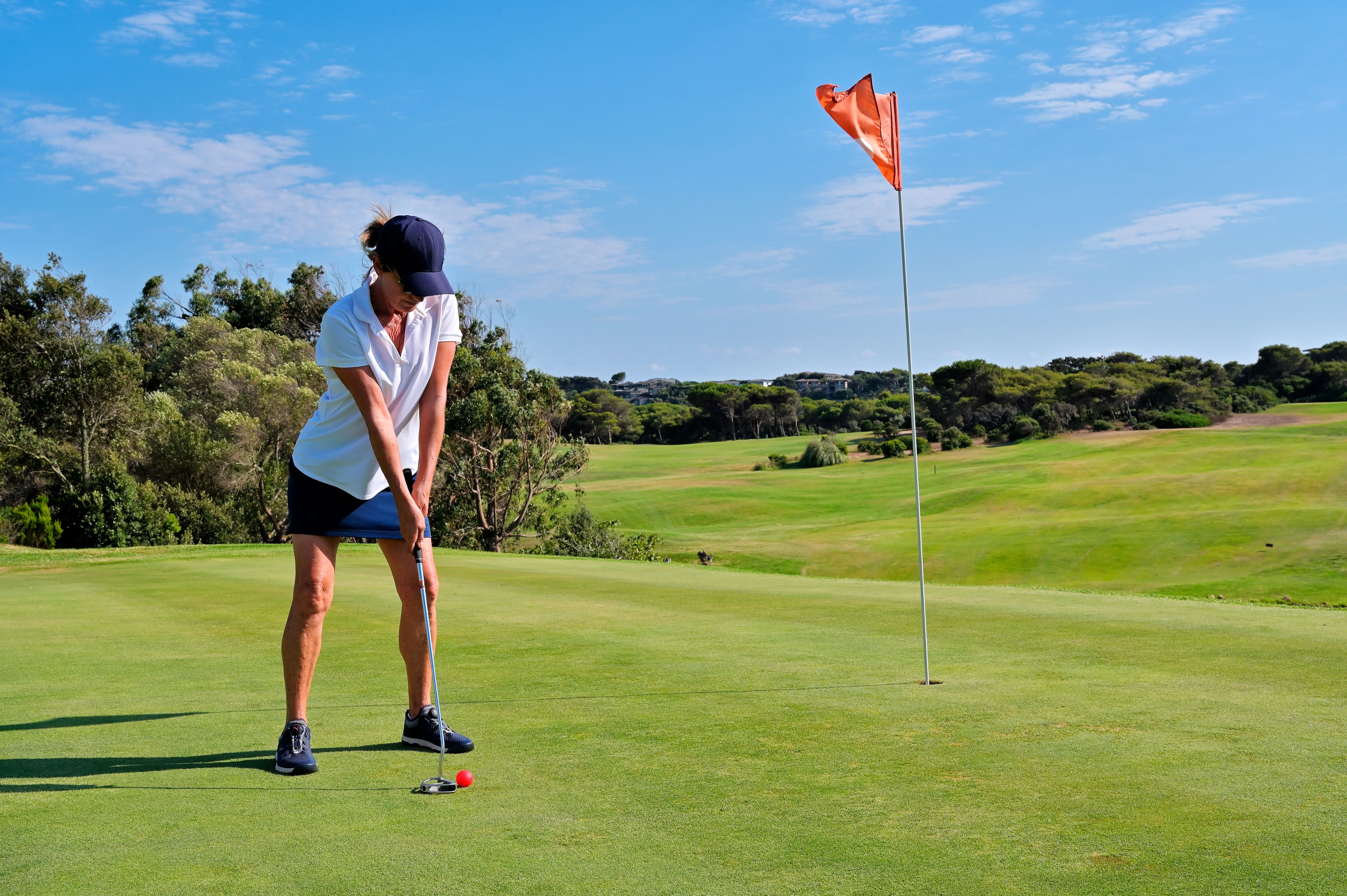

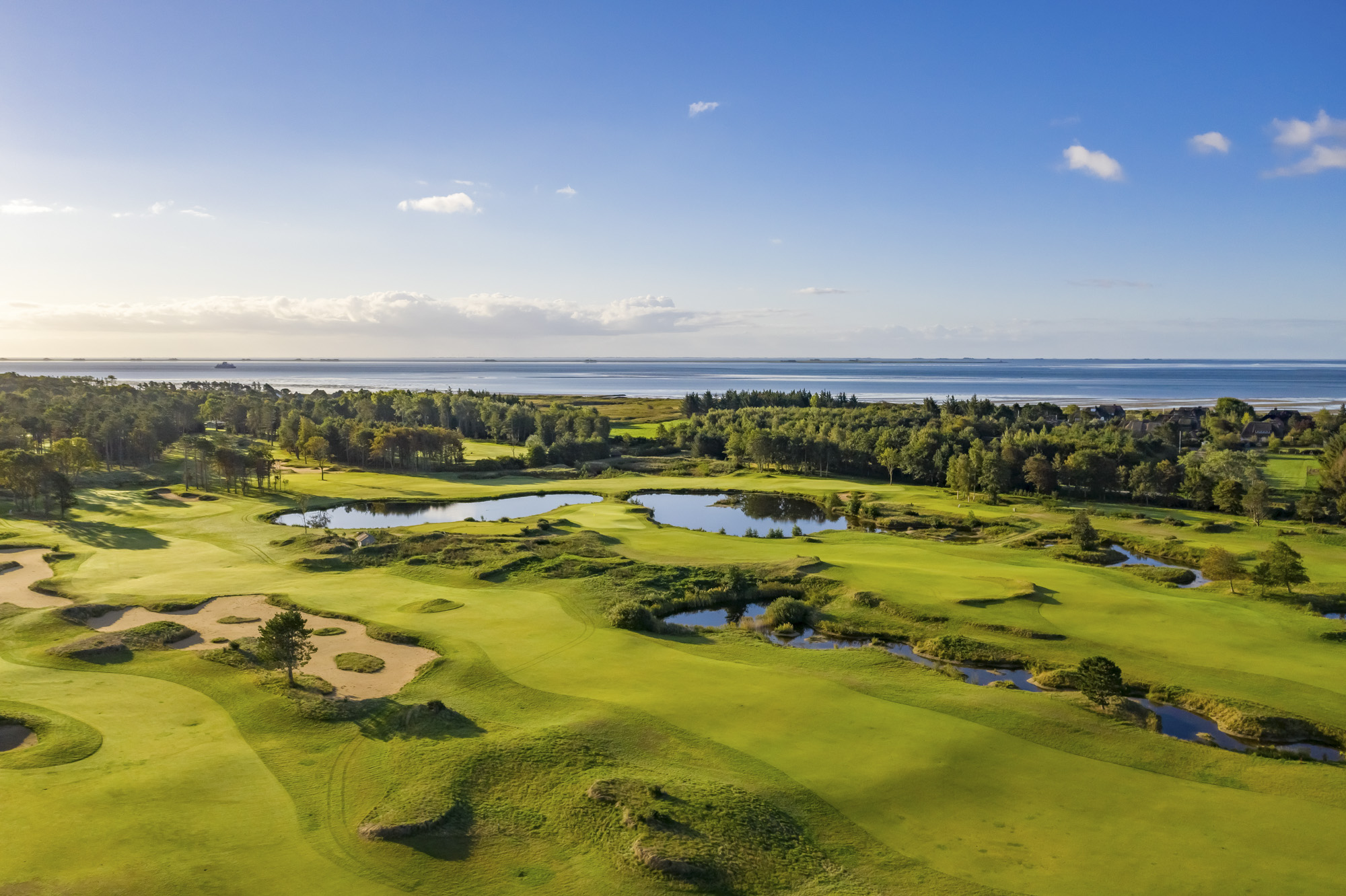
Golf Club Föhr
Germany's finest island links — a classic North Sea links course on the idyllic car-free island of Föhr.

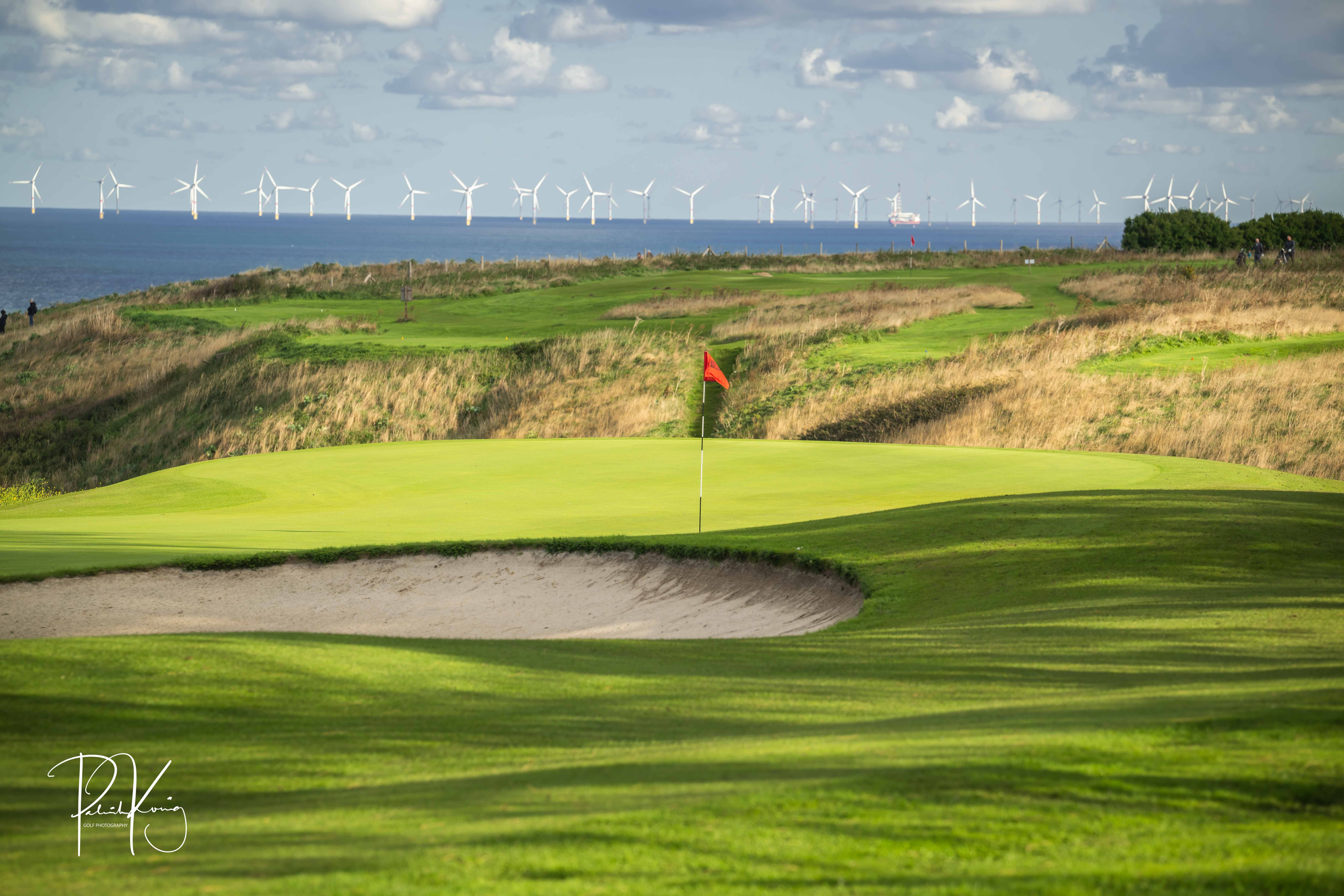
Golf d'Étretat
The world's most dramatic cliff-top course — 18 holes perched on the famous alabaster cliffs of Étretat, above the English Channel.
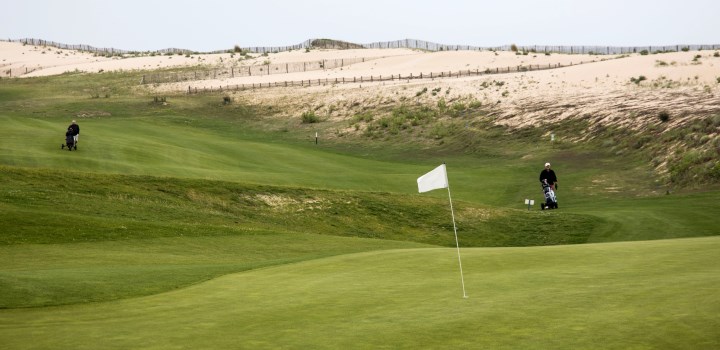
Golf de Moliets
A spectacular pine-forest and dune links on the Landes Atlantic coast — one of France's most beloved golf destinations.
Architect: Robert Trent Jones Sr.· Est. 1989

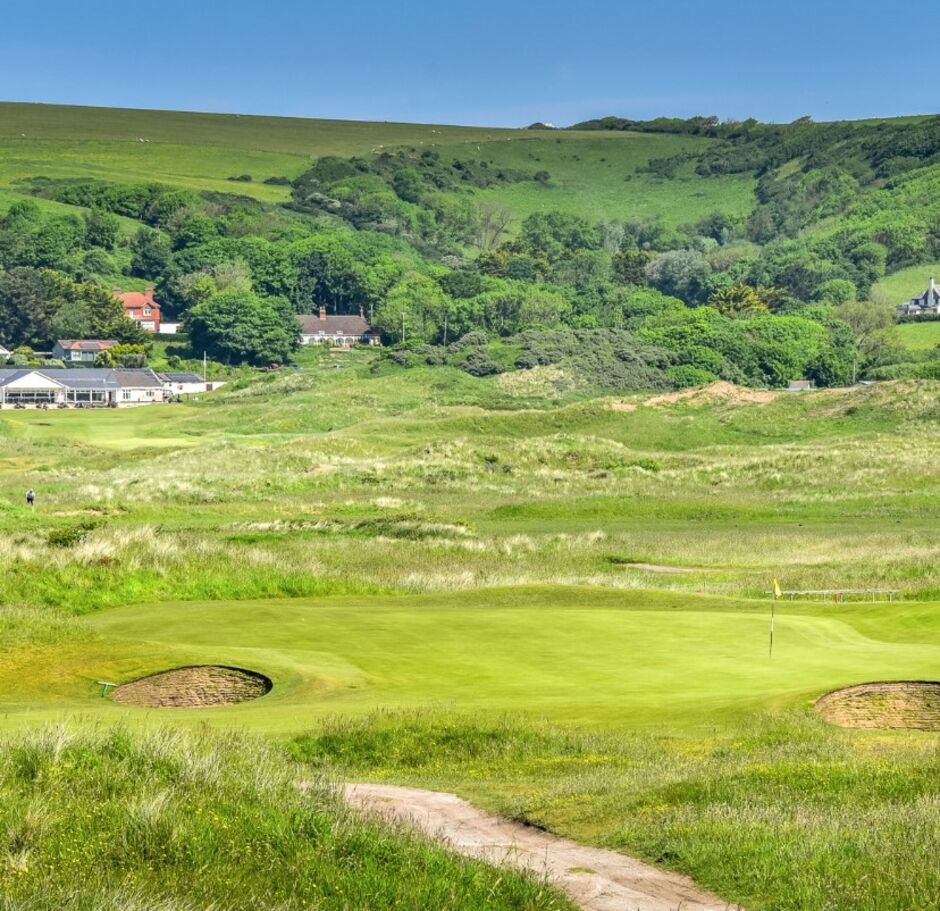

Hayling
England's southernmost links — a classic stretch of seaside turf on Hayling Island, protected by the Solent and ranked in Golf Monthly's top 100.
Architect: Tom Simpson· Est. 1883
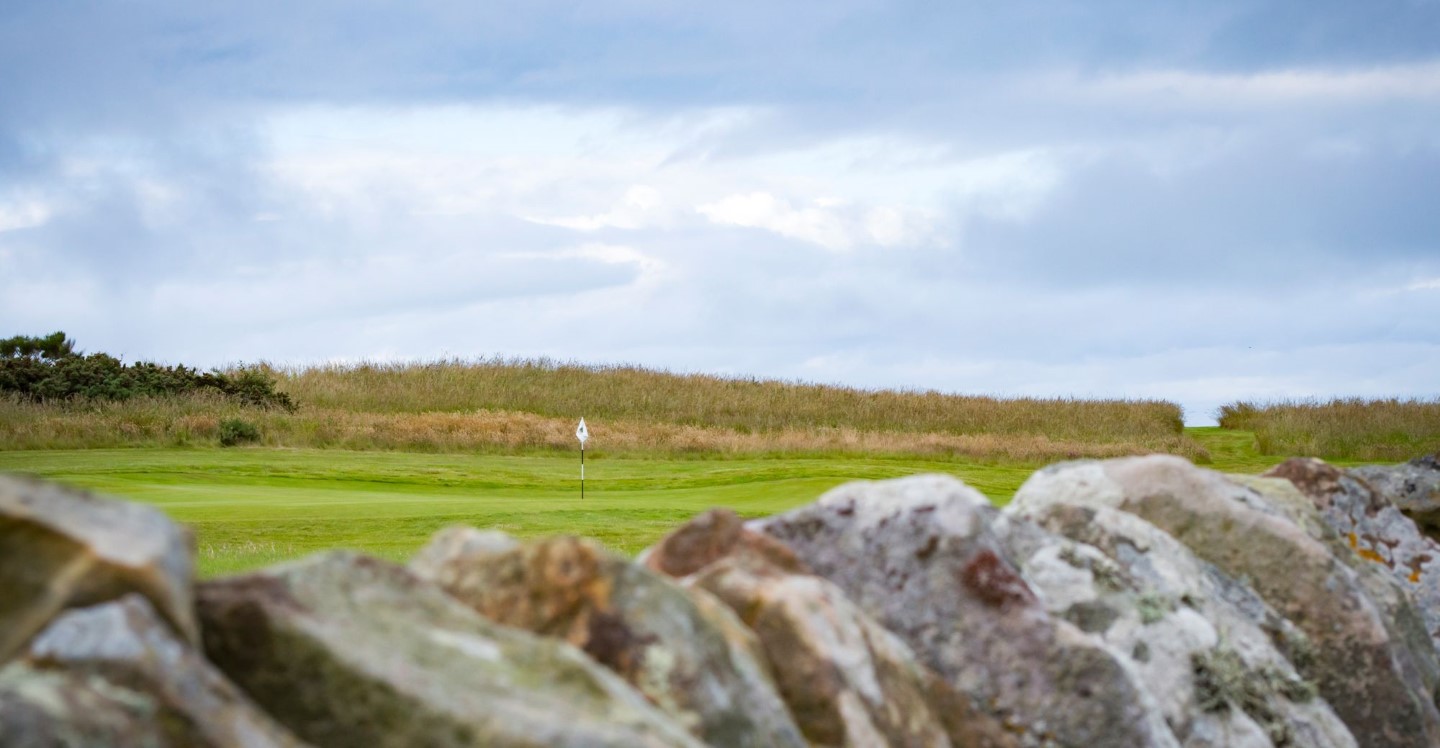
Crail Balcomie
One of Scotland's most historic courses — Balcomie Links at Crail, perched above the East Neuk coast of Fife since 1786.
Architect: Tom Morris Sr.· Est. 1786